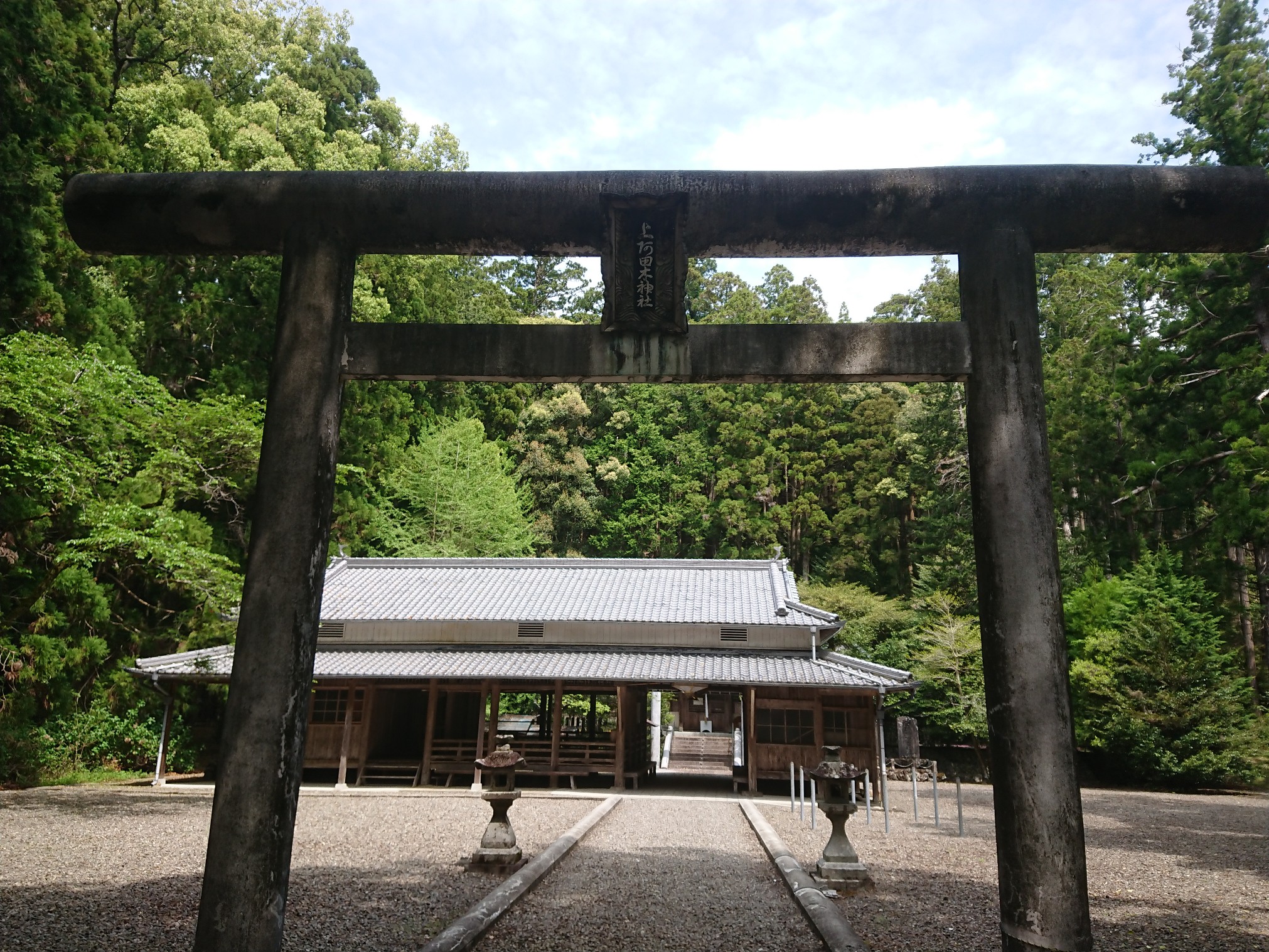
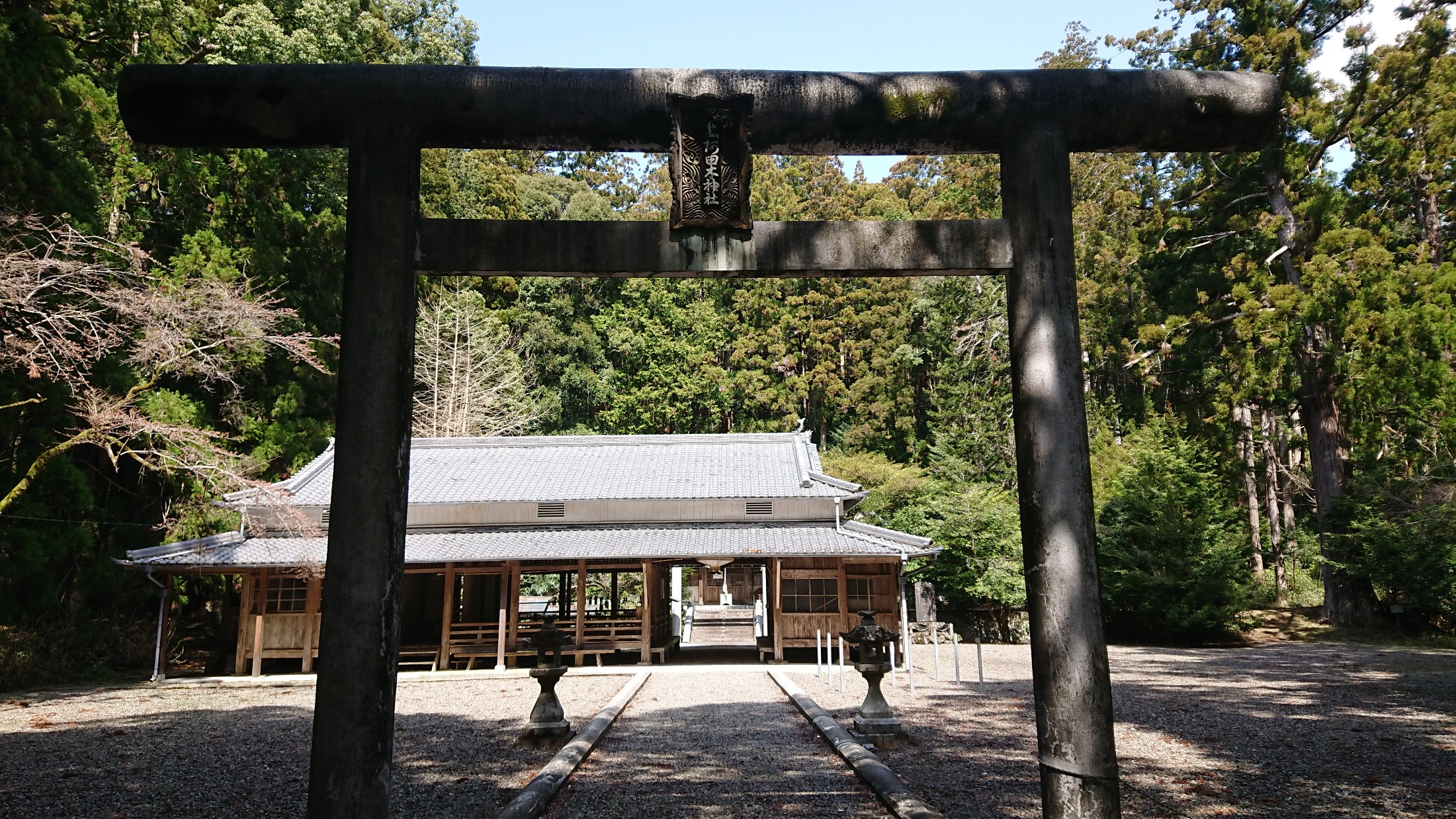
Today, We had fun in Hidakagawa Town with members of the Wakayama Local Guide Association. First, we visited Kamiatagi Shrine. Kamiatagi Shrine was originally built in 922 in Sogawa Village after receiving an oracle from the deities of Kumano, and was moved to its current location in 928. The main deity is Izanami no Mikoto who is the mother deity of Japan’s many deities.
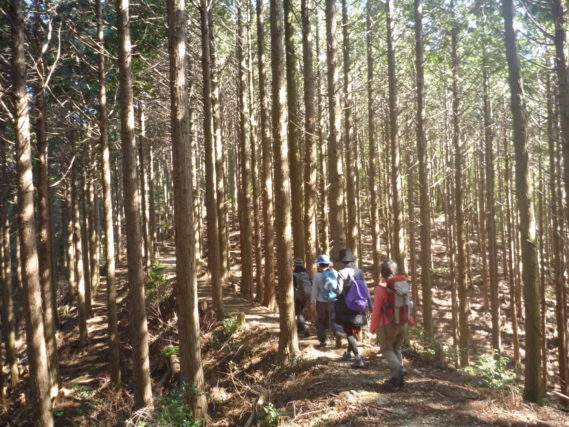
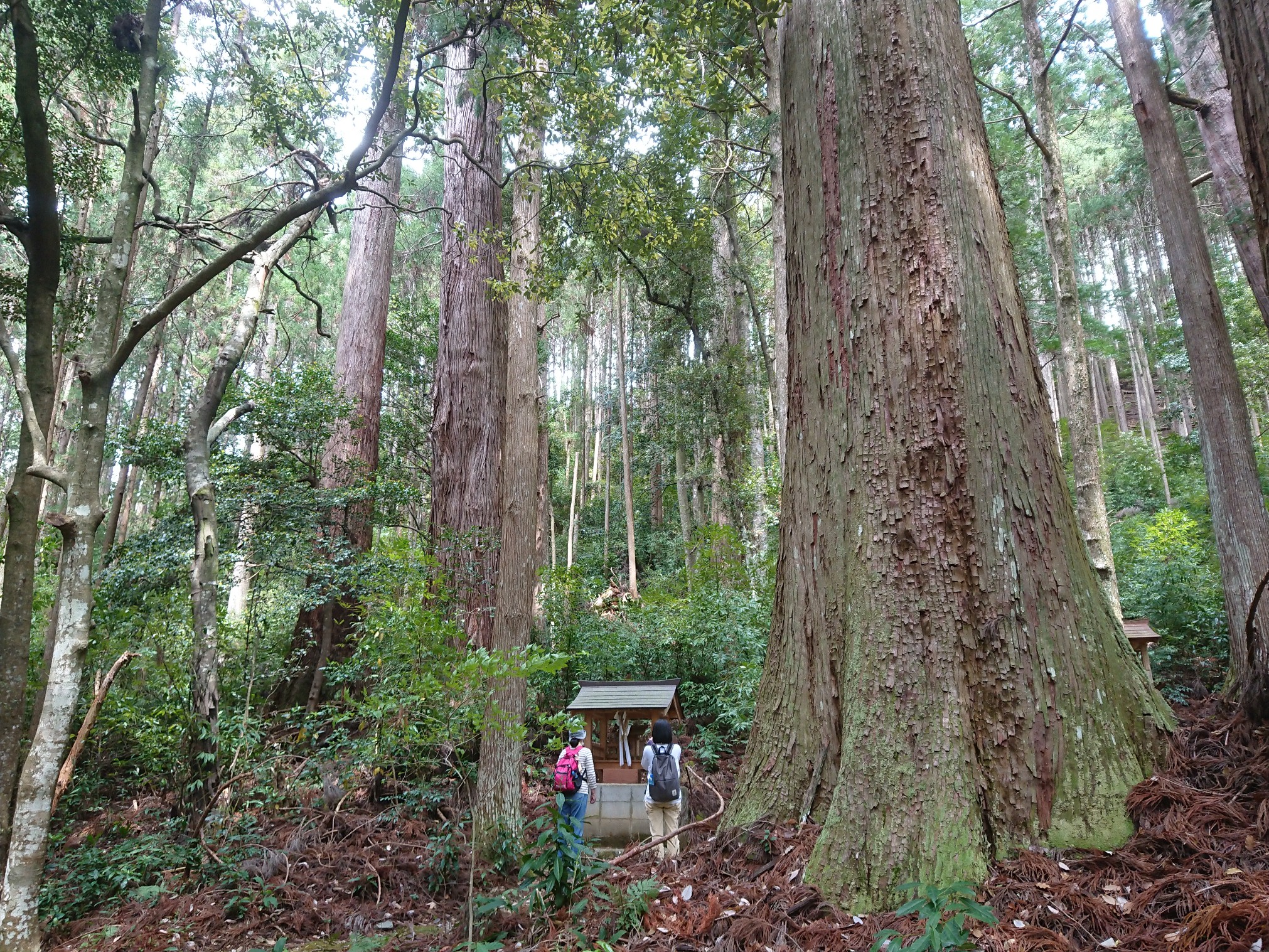
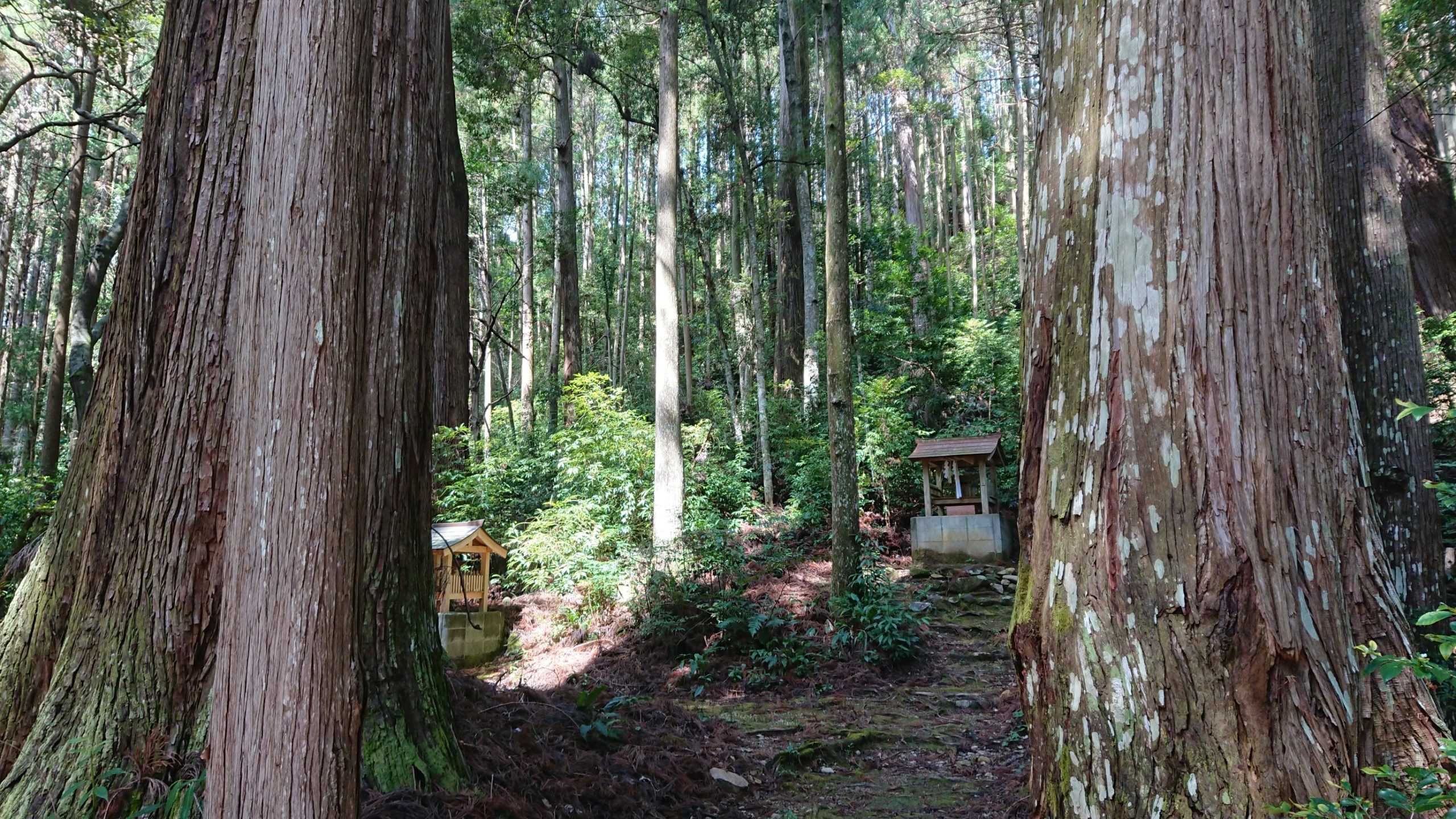
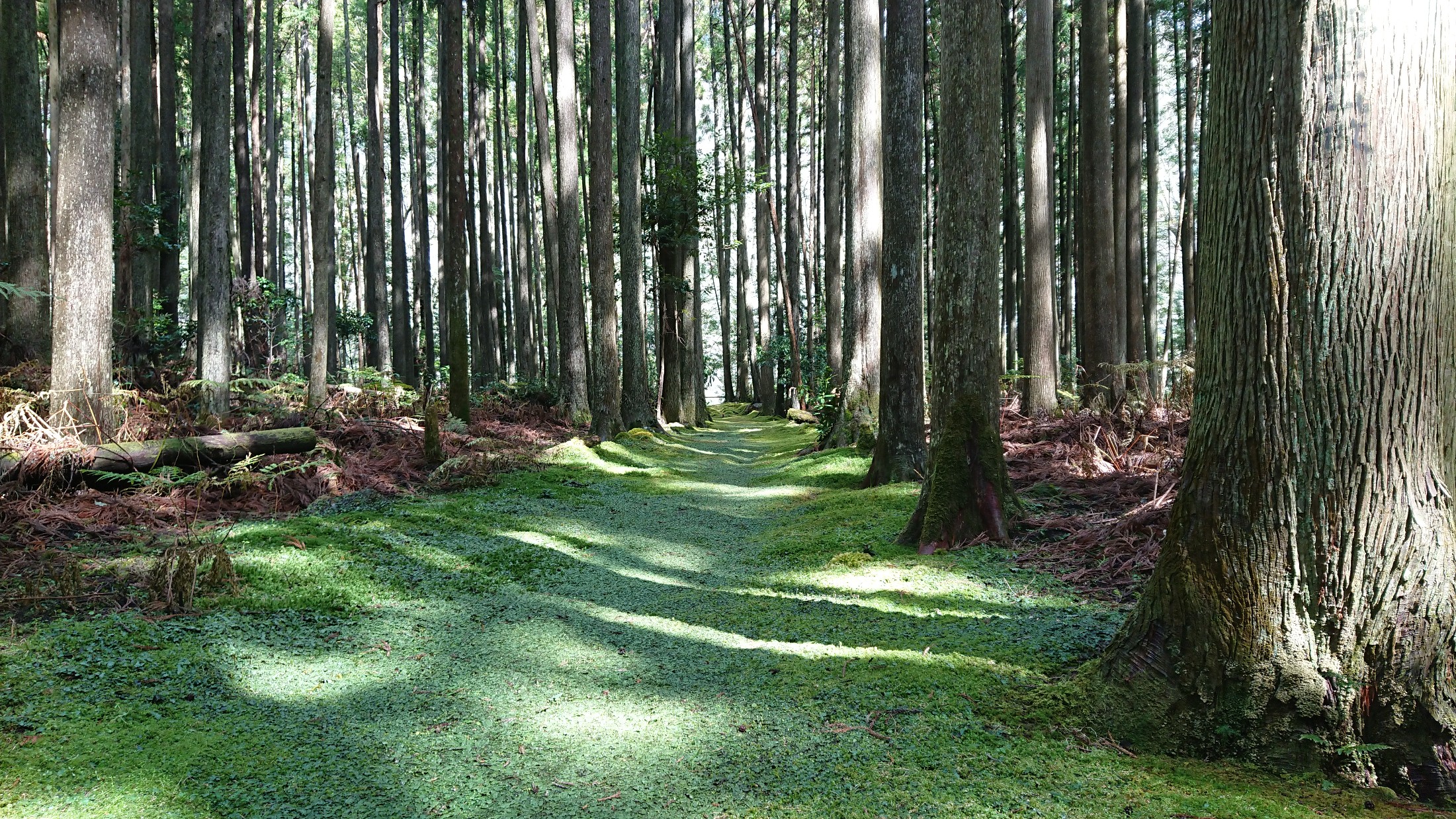
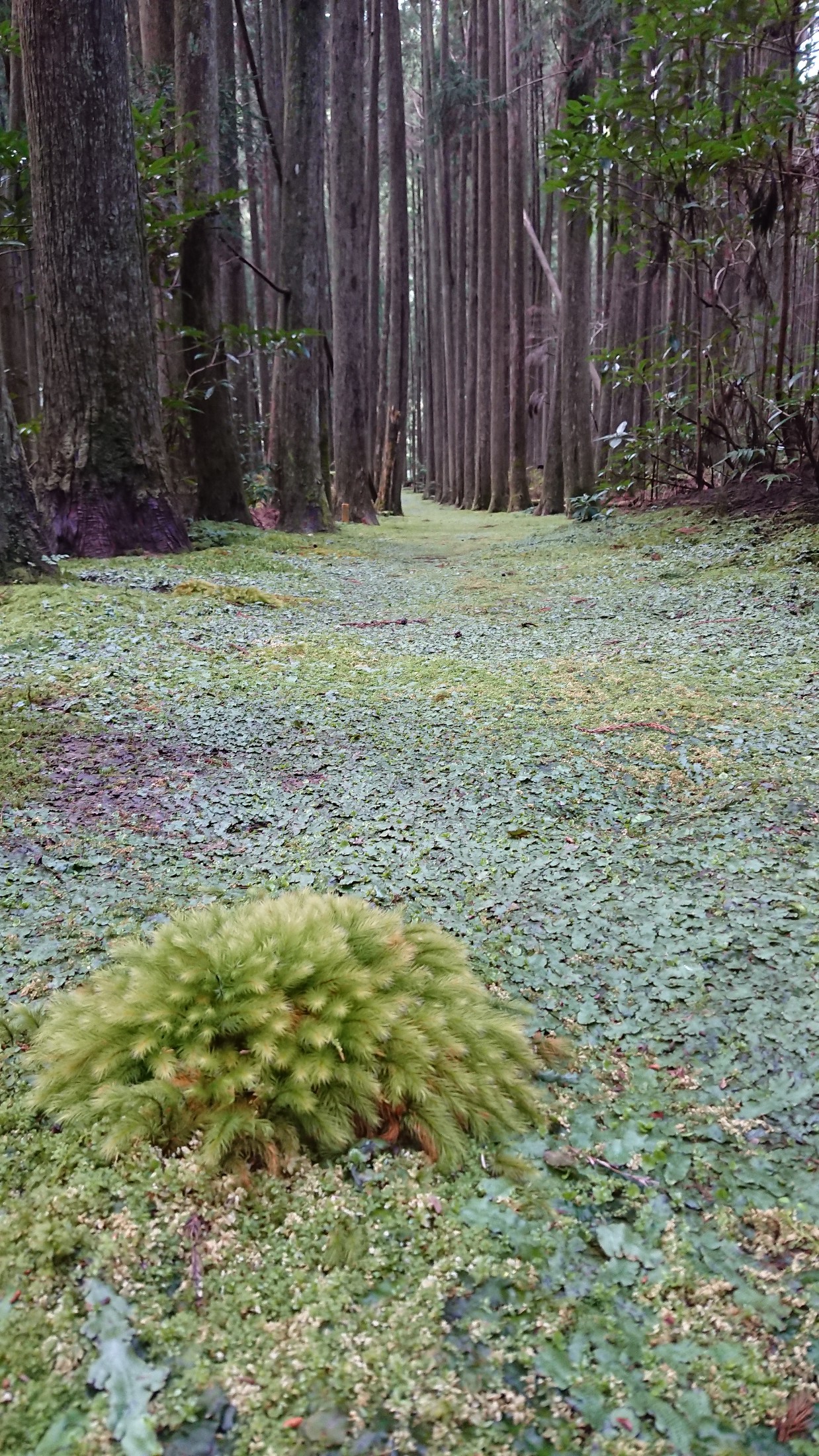
The temple grounds are planted with 450-year-old cedar and cypress trees, creating a solemn atmosphere.
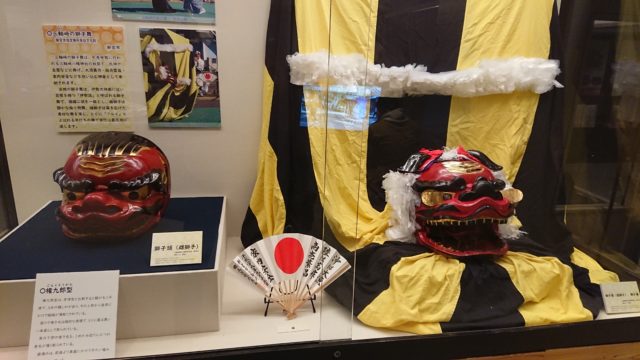
There is also a stage on which the Yatsuhachi and children’s dances are dedicated during the festival held on April 29.
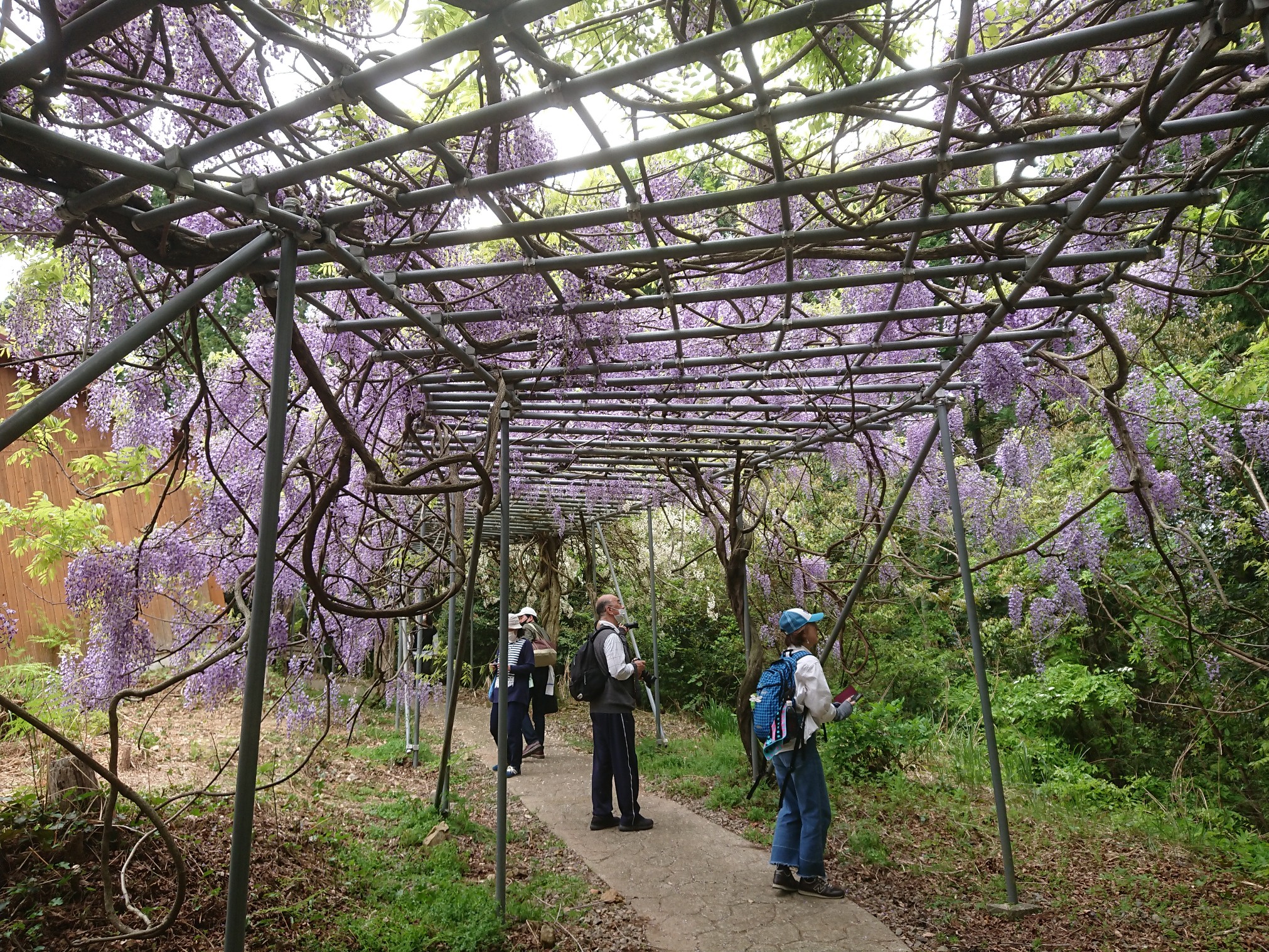
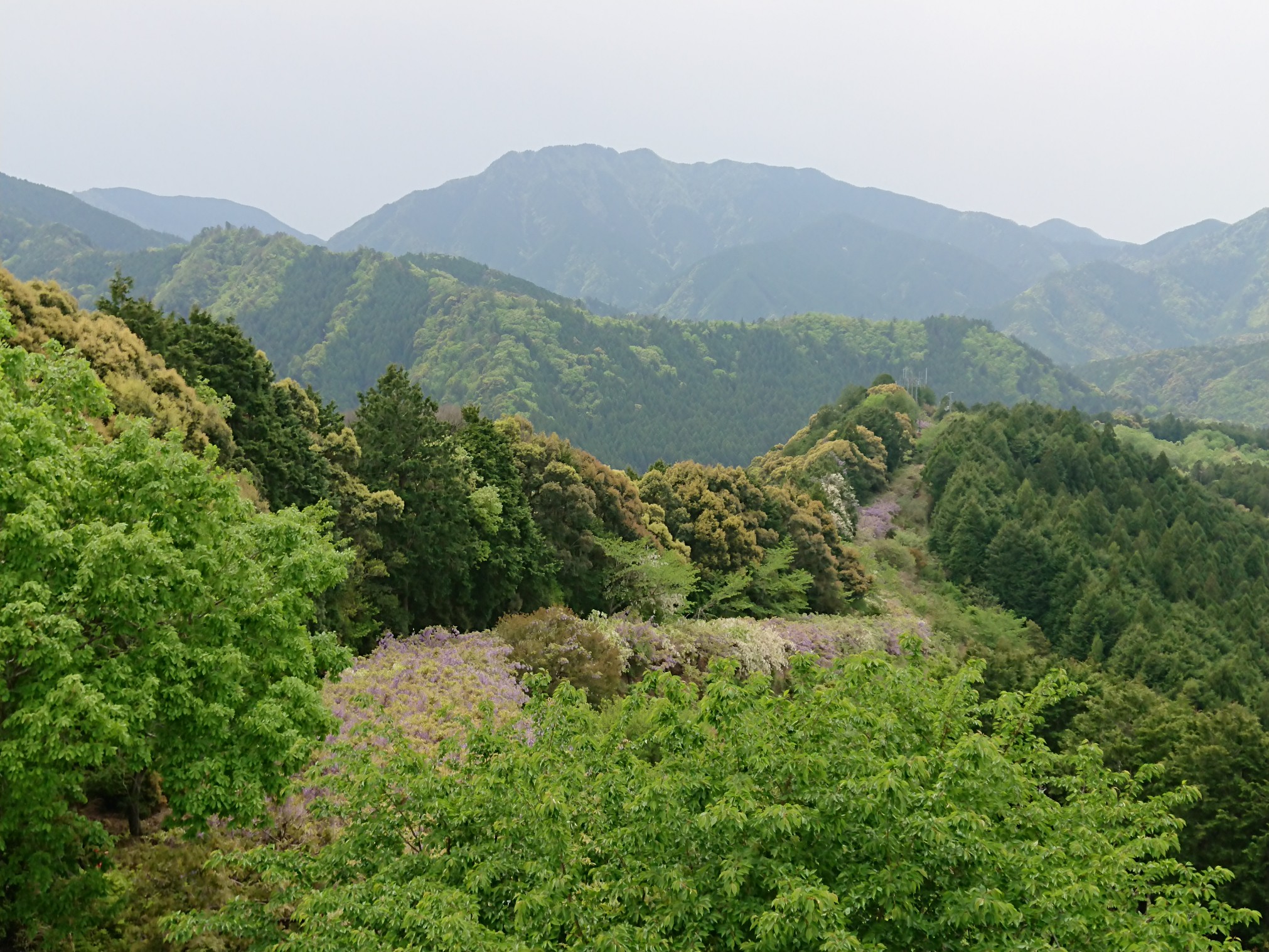
The wisteria road is located in Miyama-no-sato Forest Park, where wisteria trees are planted over a total length of 1,646 m. Visitors can enjoy wisteria flowers as they walk through the wisteria tunnel.
Some of the wisteria were still in bud, but some were in full bloom, depending on the type, and we were able to fully enjoy the beauty and fragrance of the wisteria flowers.
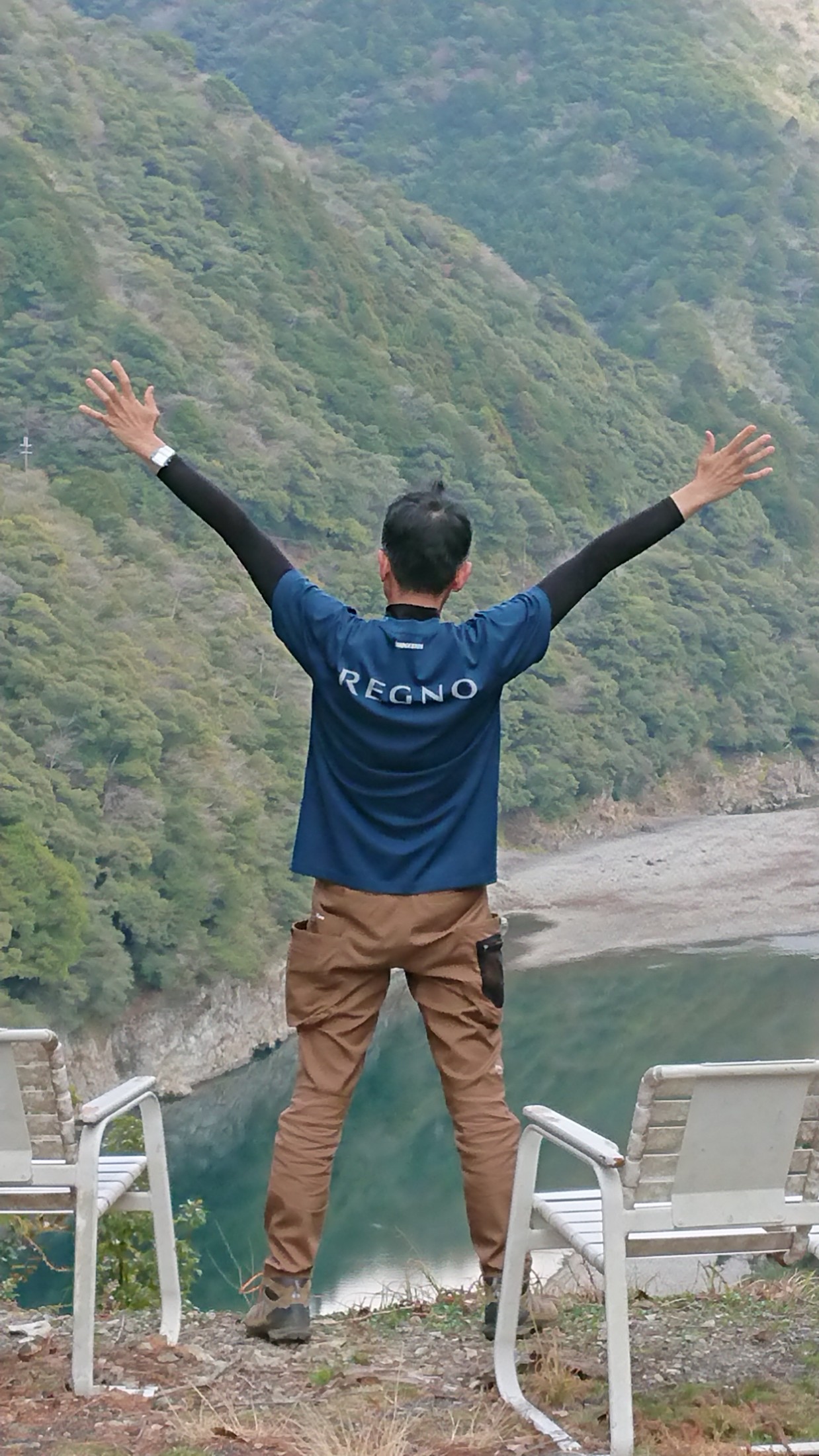
At the Yoo-hoo point, children were shouting. It was cute. This place is only claimed to be “the best in Japan,” and it returns really beautiful yamabiko (echo).
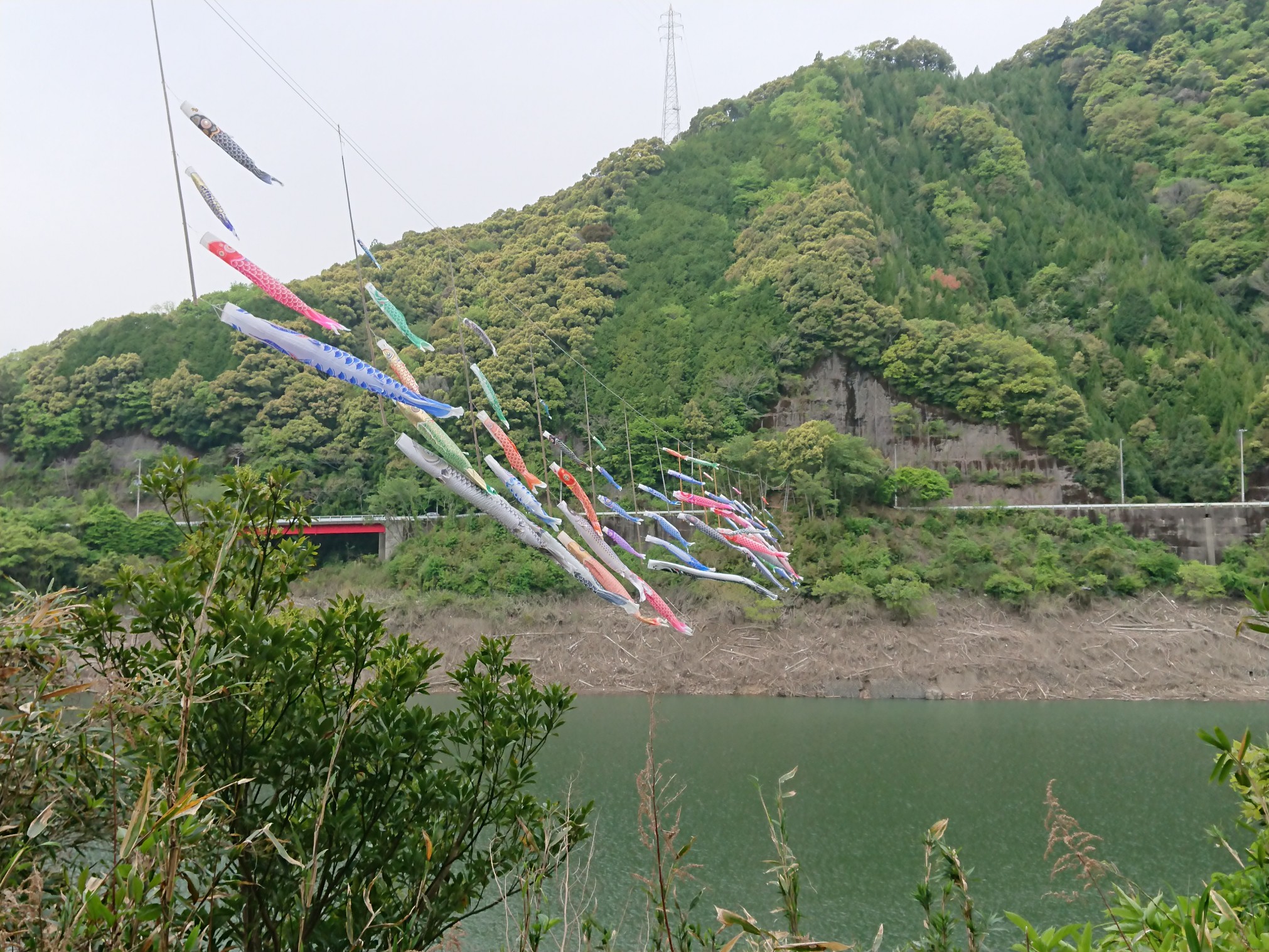
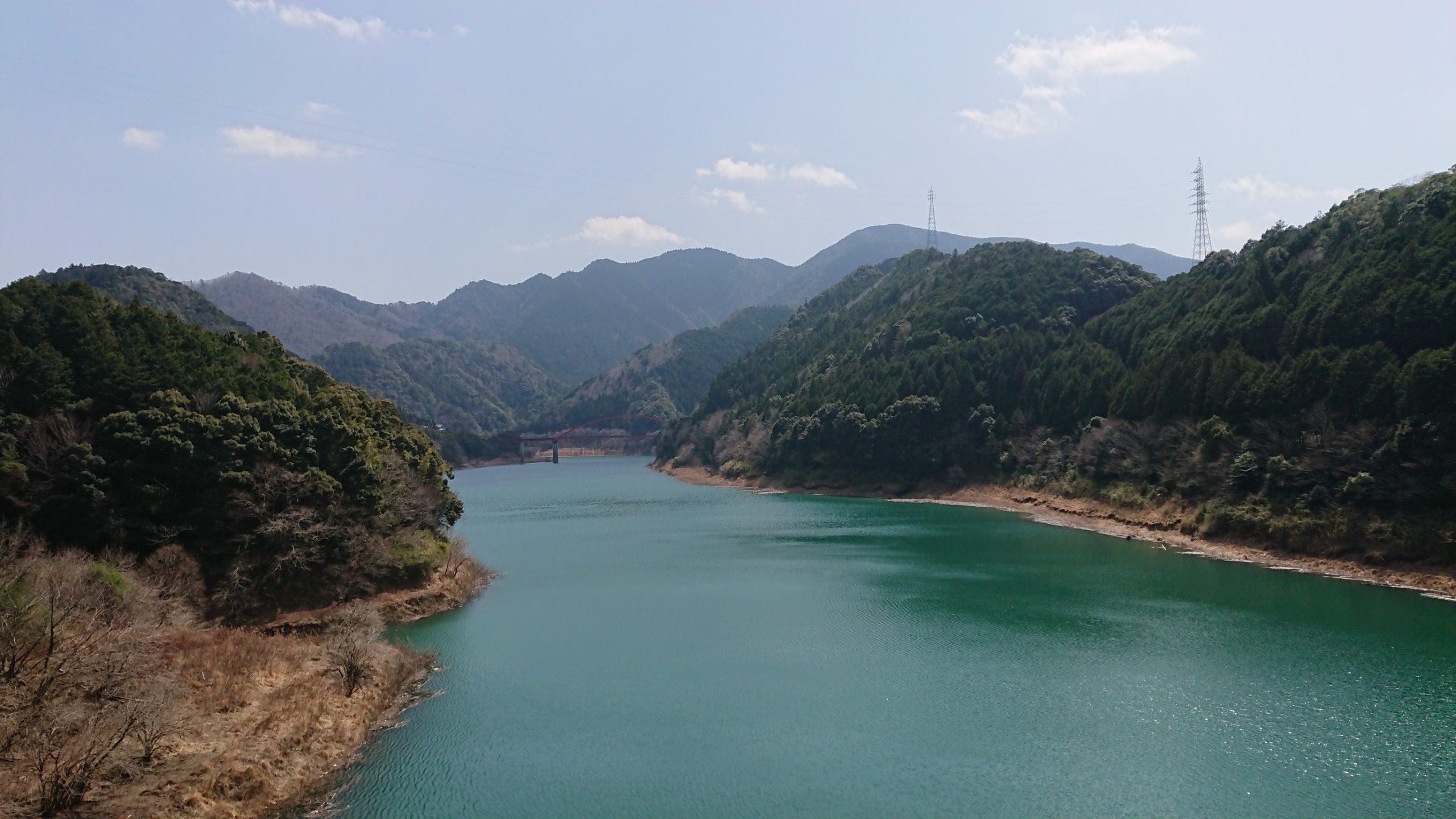
Carp streamers were hung over the dam lake, and we photographed them from the opposite shore. We walked along a road we had never been on before just to photograph the carp streamers. I love this kind of unscheduled fun.
Although it is seasonal, I would love for foreign visitors to come to this place.
I visited the former Miyama Village in Hidakagawa Town. The main purpose was to preview the wisteria trellis road, but I also saw other things.
I bought an admission ticket at the “Road Hot Station Miyama-no-sato” at the entrance to the forest park, but the clerk gave me a ticket, saying, “There is nothing there now. It was just a preliminary inspection today, so nothing was needed, but I was grateful that she said it out of concern ahead of time. Attracted by the words “handmade” on the banner, I unintentionally purchased a bento box lunch that I had not planned to eat.
The one I bought was the mackerel grilled with salt bento, and it contained two large mackerel fillets, plus grated radish, a large dashimaki tamago, and many other side dishes for only 410 yen(!). It was truly “overpriced”. The mackerel was very tasty and fatty. The dashimaki tamago was also delicious.
This bento seems to be made by a nearby restaurant, Aitokuso. Aitokuso also serves lunch, so I will try there next time.
Well, there was really nothing on the wisteria trellis road, which is the most important thing.
However, the view from the observatory was good, and I walked around thinking about how beautiful it would be when the wisteria flowers bloomed. It is 1,646 meters long, and is said to be the longest in Japan. Incidentally, the best time to see the wisteria is from mid-April to early May. What is the wisteria trellis road?
After finishing my walk along the Fujitidana Road, I went to the nearby Kamiatagi Shrine (Kami-Atagi Shrine) . I had visited the shrine before, but this time it was the best place to visit. The shrine pavilions and kagura hall, surrounded by huge 400-year-old cedar and cypress trees, were amazing, and I found myself standing here for a while this time, whereas not so much the last time.
From the information board of Kami-Adagi Shrine.
According to the “Atagiyama Kumano Gongen Engi,” this shrine was built in 928, and is one of the oldest shrines in the county.
The deity Izanami is enshrined in the main shrine.
In the past, the shrine was called Kami-Atagi Rokusho-Gongen and was a magnificent shrine with a separate temple, Amida Temple.
The shrine was rebuilt in 1571. The cedar and cypress trees planted at that time have grown and become one of the most famous shrines in the prefecture.
The annual festival held in April is designated as an intangible cultural asset of the prefecture, and the old form of the festival has been handed down to the present. The festival is also famous for the beautiful artificial flowers that decorate the tops of the banners, and is called the Ichimei Hana Matsuri (Flower Festival).
It is surprising that the shrine was founded in 928. Furthermore, the words “Kumano Gongen” can be seen. And the deity is Izanami, who is also familiar to Kumano. I still feel a sense of familiarity.
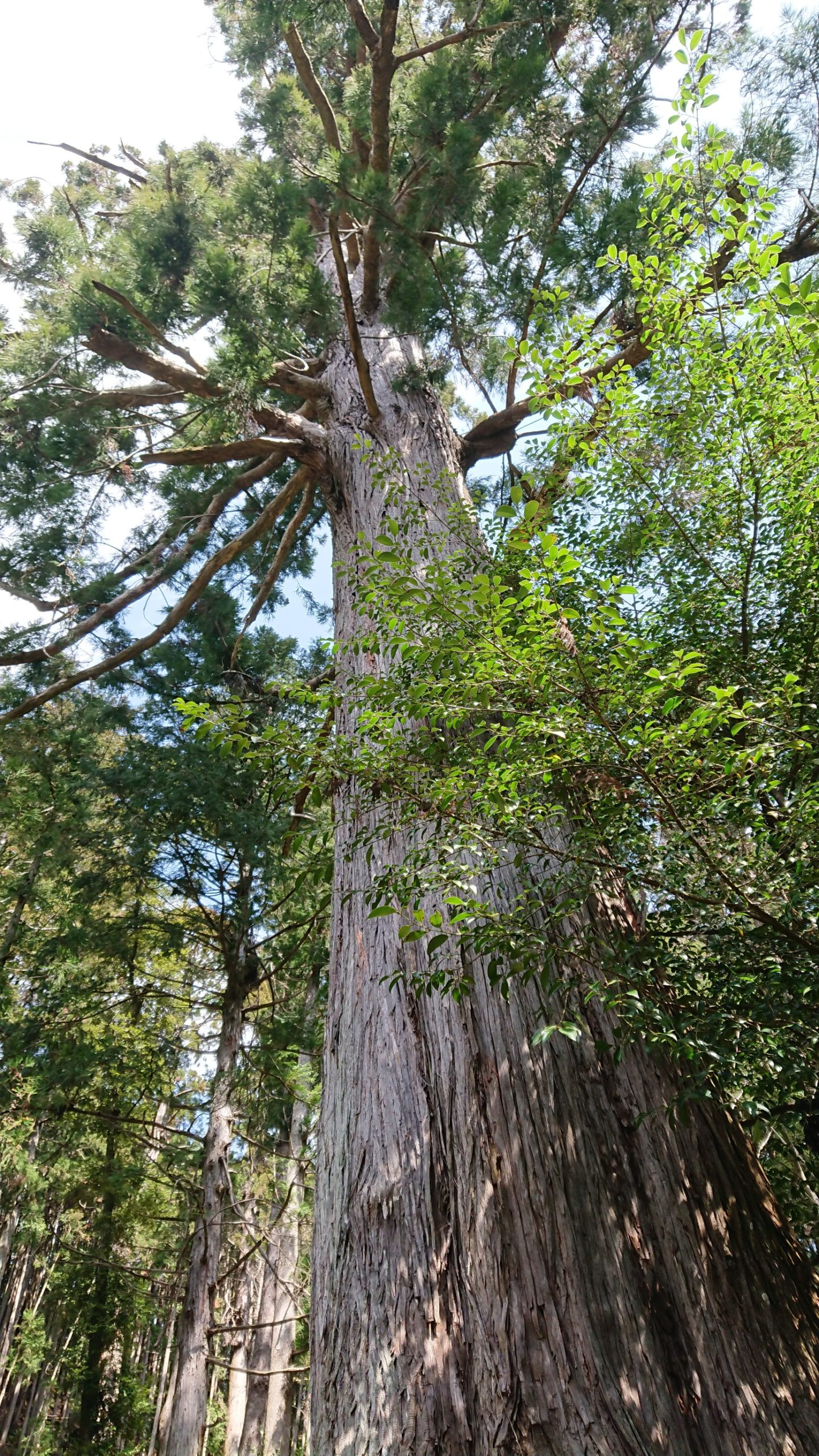
There is a “Shigeemon cedar” in the precincts of the shrine. The explanatory plaque reads as follows
Tango Shigeemon was a village headman in the Aitoku area during the Genroku era (1688-1704), and his foresight and leadership earned him the respect of the local residents. His contributions to the shrine were so great that a cedar tree representing the shrine forest was named to commemorate his achievements.
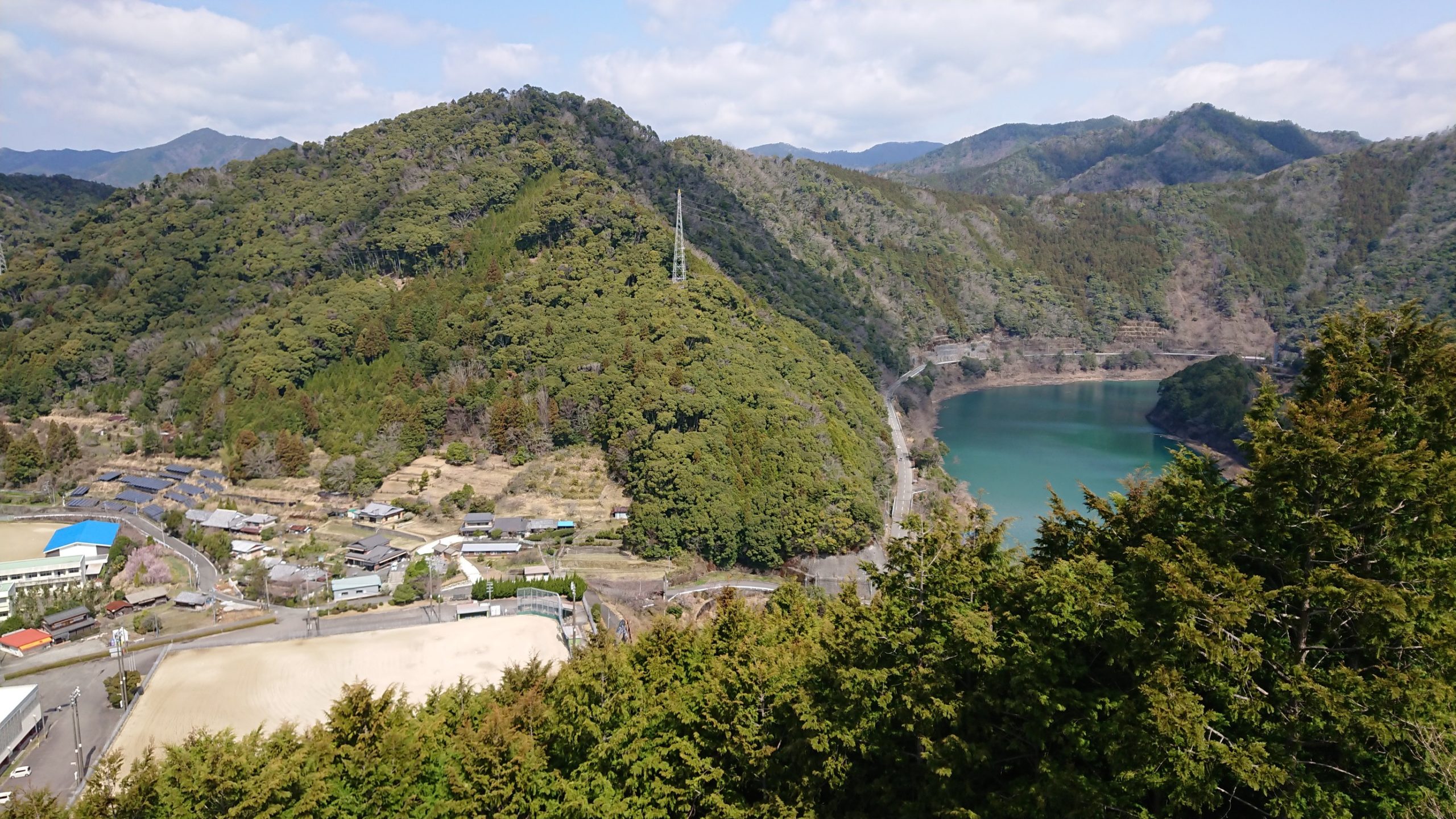
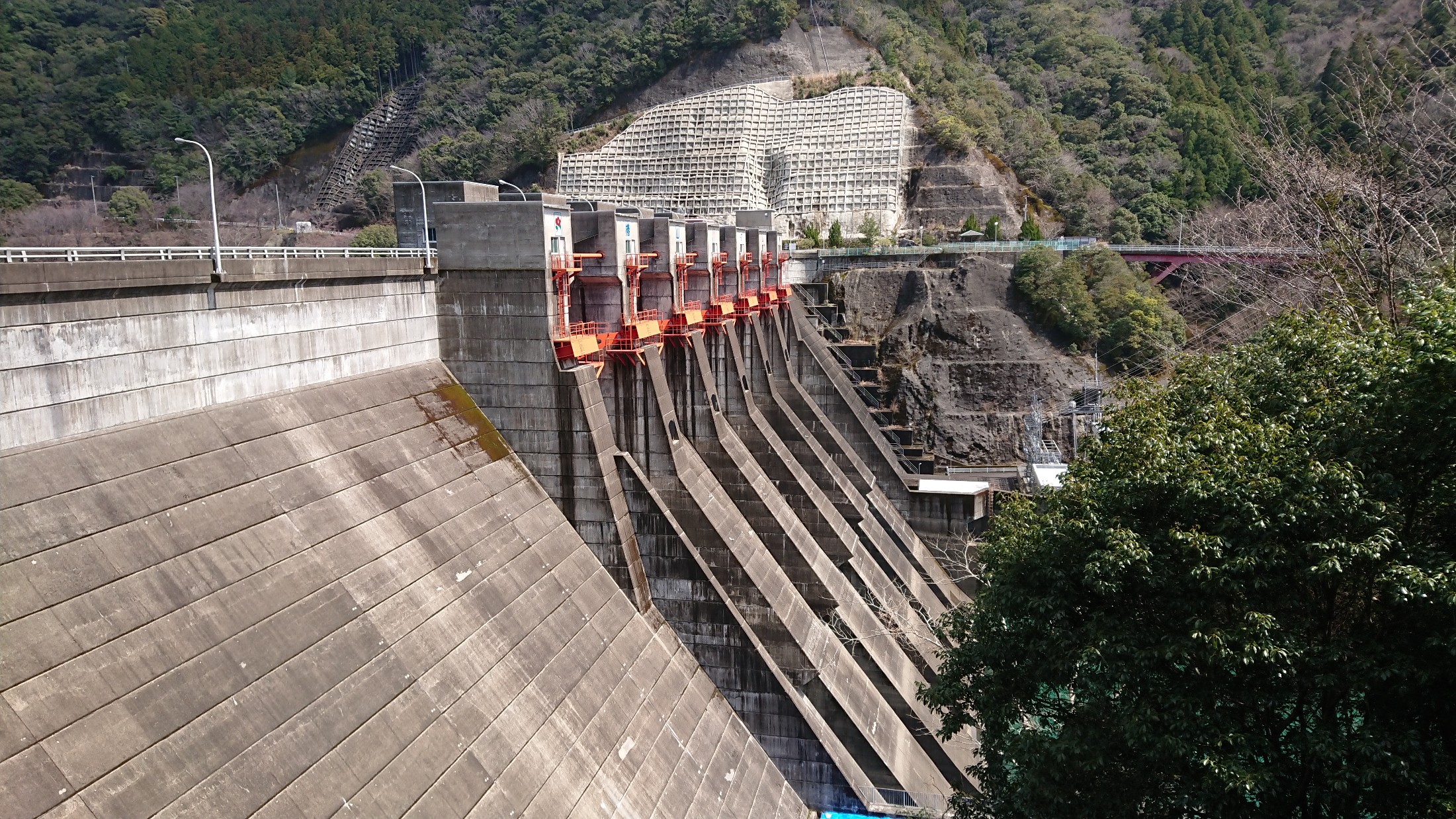
Incidentally, there is a Shimo-Adagi Shrine a short distance away. It is easily recognizable because it is located along the prefectural road. After Kami-Atagi Shrine, I went to see the nearby Tsubayama Dam. It was a pity that the observatory was closed, but you can feel the power of mankind. …I just don’t think the dam is necessary, though.
After the dam, “Japan’s best echo point”
This area has two “Japan’s Best!”
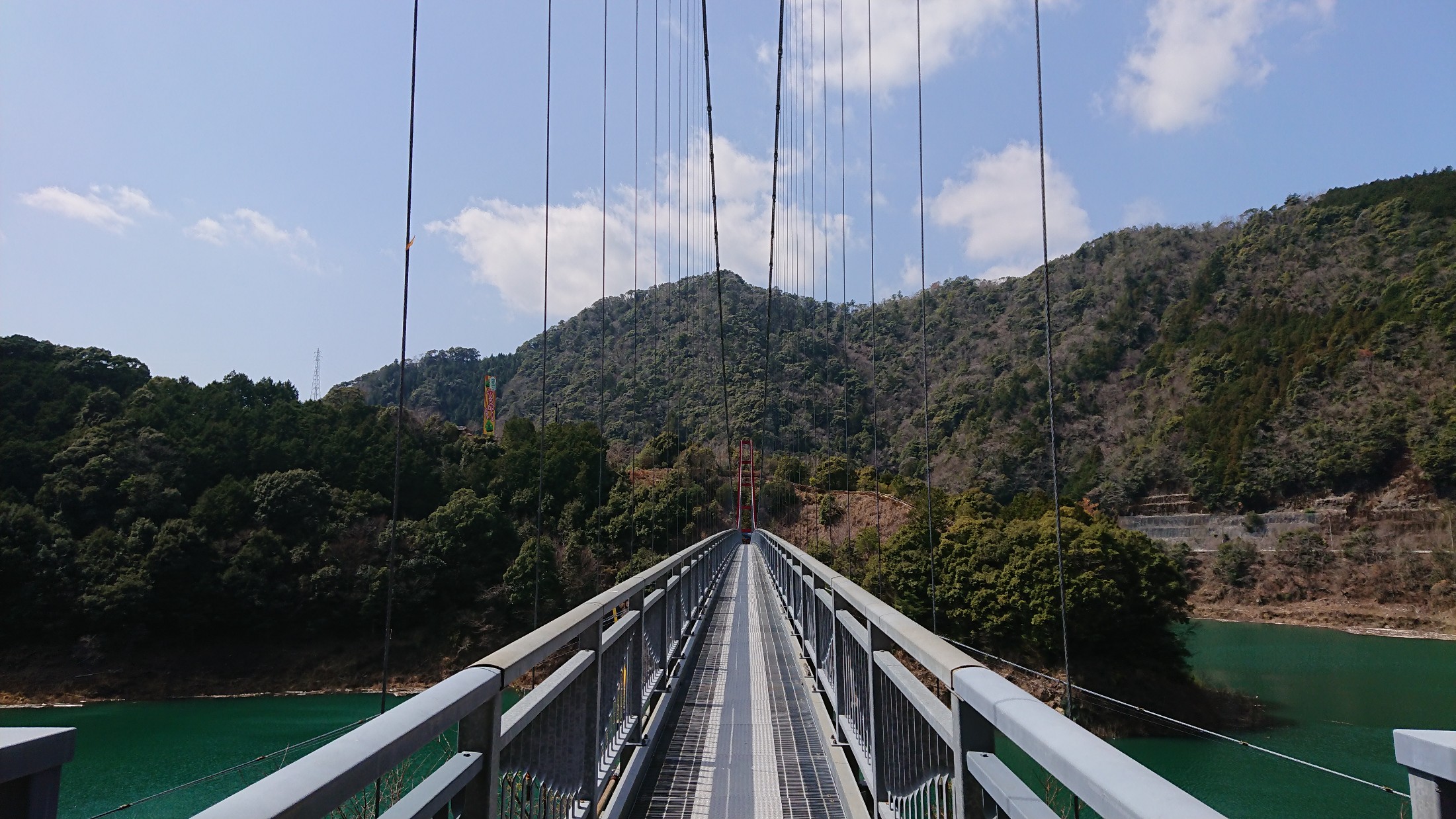
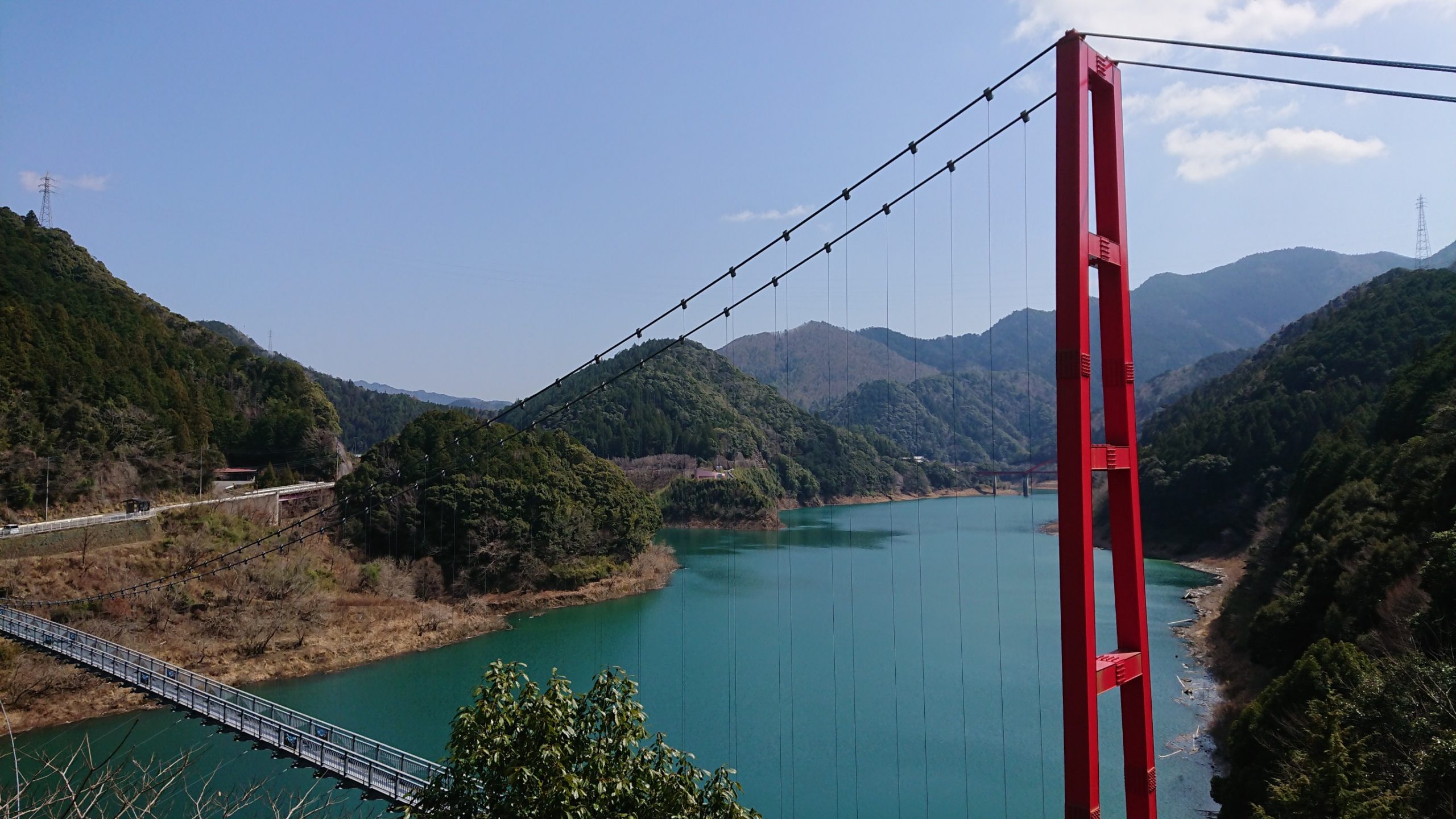
Cross the suspension bridge.
There are three echo points in total. While I was reading the explanation at the signboard, a lady came to me.
The lady said, “Is this the yoo-hoo point?” I said, “It seems so. There are two other places.” A lady said, “Have you done it yet?” I said, “No, not yet.”
After that conversation, for some reason, I and she were saying “Yoo-hoo” together.
Here, the “yoo-hoo” comes back really beautifully. According to the explanation, “Yoo-hoo” can be heard when the distance to the mountain across the street is around 300 meters. If you are closer than that, you have to shout “yoo-hoo” or “yaho” or “ah” to be heard. I guess the distance to the mountain just across the street here is 300 meters. I took a video, but the video did not sound clean. I heard that it is possible to troll and do a tongue twister here. If you have confidence in your voice, why don’t you give it a try?
On the way back, I returned to Aitokuso and took a bath in the hot spring. The hot spring was not for me as it was circulated and filtered and smelled of chlorine. However, I think the quality of the spring is good because it makes your skin smooth. It was similar to the Ryujin Onsen.
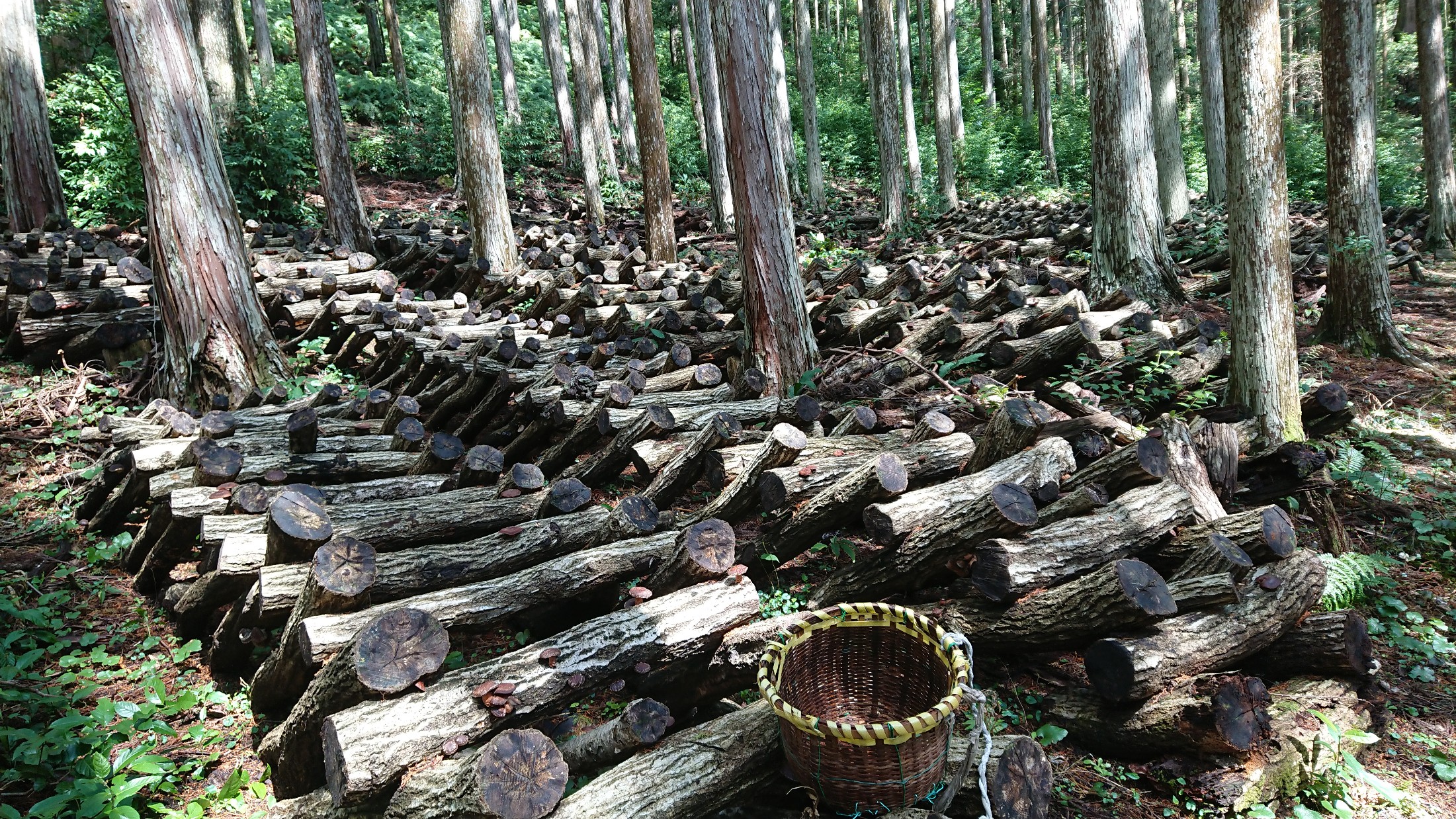
I can’t tell you where this place is because it is someone’s land, but there was a place where shiitake mushrooms are cultivated where I happened to wander. It was a sight to behold, but I got out immediately. I didn’t steal the shiitake mushrooms.
Three guides from the Wakayama Local Guide Association were dispatched to Naga High School for an exchange workshop. This was the first time for our association to guide the students, and it was very easy to do so because the students were very friendly. Five foreign students studying at a university in Kyoto joined this time, and for the first time in a long time, we were able to have a lively conversation.
I regret that I could not explain enough due to the time schedule, but I am relieved that they still enjoyed the tour and, most importantly, that everyone was able to walk safely.
Perhaps it is a characteristic of Japanese people, but I was not able to speak much English with the students, perhaps because they were hesitant to produce their own English. I thought it would have been better if they had spoken English more and more without fear, even if they made mistakes.
At the end of the tour, each group leader gave a thank-you speech in English to the guide. It was very good because it was in beautiful English and was put together in an easy-to-understand manner. It was a moment that made me think, “I am glad to have been a guide”.
There are many things I would like to say about the travel agency that arranged this trip, but since I enjoyed myself today, I won’t.
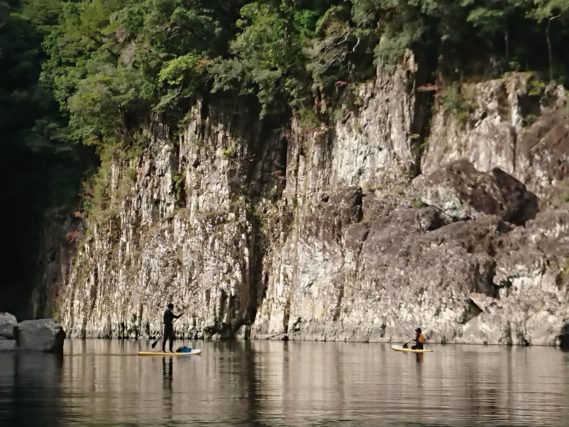
We went to experience the riverboat Doro-gorge, which will be operated by the Kumanogawa Riverboat Center starting March 30. Since Kumano Kotsu’s water jet boats have been out of service, opportunities to visit Doro-gorge have been drastically reduced, but now Doro-gorge is expected to become more crowded.
Operating period: March 1-November 30 (December to December) (In February, groups of 6 or more people are welcome.) Departure times: every hour starting at 9:00 a.m., with the last service at 3:00 p.m. Closed every Monday (if Monday is a national holiday, the boat will be in service on the following weekday). Boarding time: approx. 40 min. Minimum number of people: 2 Boarding fee: 3,000 yen per person (1,500 yen for 4-year-olds to elementary school students) Inquiries: Kumanogawa Riverboat Center Phone: 0735-44-0987
しかし、今後SUPができなくなるのでは?と少し心配をしております。 However, will we not be able to do SUP in the future? I am a little concerned.
心配していた雨も出発前には完全にあがり、春の暖かい日差しが柔らかく降り注ぐなか、船頭さんの案内と、すばらしい操舵技術も手伝って、気持ちよく楽しむことができました。 The rain that we had been worried about had completely stopped before departure, and we were able to enjoy the boat under the soft warm spring sunshine, guided by the boatman and his excellent steering skills.
今日は水面に霧がかかっていて非常に幻想的でした。 It was very fantastic with fog on the surface of the water.
午後からは、当会会員さんに筏師の道の一部と、集落跡を案内してもらいました。 どちらもすばらしく美しいところでした。 あまり人が来ると荒れてしまう可能性があるため、あまり人に教えたくない気持ちにさせられました。 In the afternoon, a member of our association guided us to a section of the Raftsman’s Road and the ruins of a village. Both were wonderful and beautiful places. I was made to feel that I did not want to tell too many people about them, as they might become desolate if too many people came.