大化の改新と国造り⑤

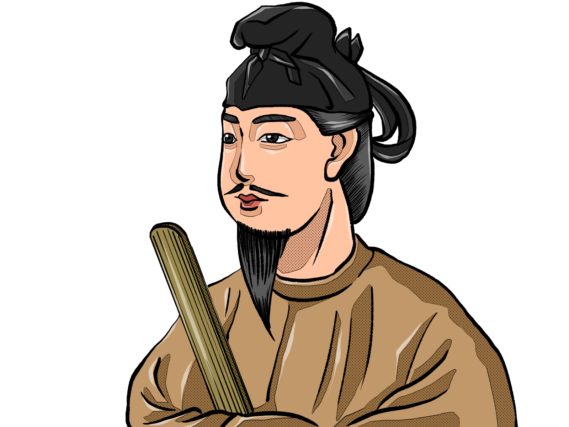
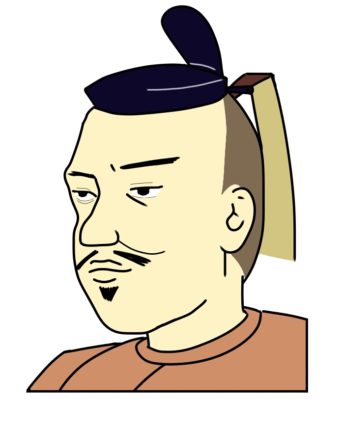
天武天皇

前回の記事はこちら
大化の改新と国造り①
大化の改新と国造り②
大化の改新と国造り③
大化の改新と国造り④

その白村江の戦いで亡くなった方は1万人。
彼らは全国の豪族の子息でした。

そうすると、遺族からは「天皇が国民を大御宝として大切にされているとこは分かる。百済を救うために援軍を出すのも分かる。分かるからこそ、息子を兵に出した。しかし、もう息子は戻って来ない。死んだ息子を返してもらいたい。息子を死なせることの原因となった皇室を許す訳にはいかない」という感情が沸き起こってきました。

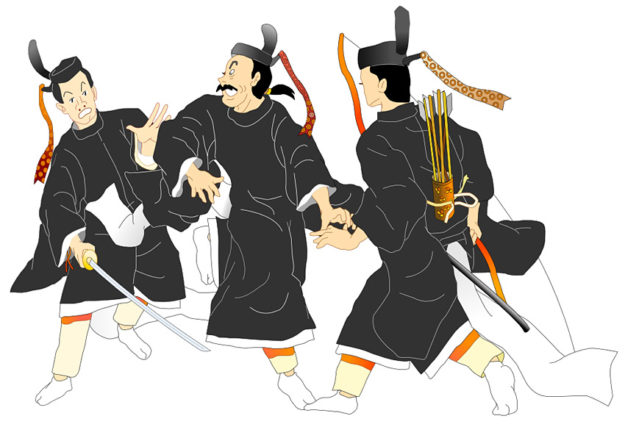
これを何とかしなければいけないということで、天智天皇(中大兄皇子)が崩御されたあと、天武天皇が天智天皇を許せないとい言っている豪族を集めて、天智天皇派を軍事力をもって攻め滅ぼすという行動に出ます。

そうすると、「アンチ天智天皇派」は全員、天武天皇の味方になります。

もともと天智天皇派だった人たちは天皇を中心とした部下という形を取っていたので、天皇に対する尊敬の気持ちを持っています。
その心理をうまく突いたわけです。

これで、天智天皇派と天武天皇派が合体するわけです。

しかし、最終的に権力が権力のために武力を用いるというようなことは、これっきりにしなければいけないという反省から、権力のために武力が用いられることがないように、天皇と権力を切り離そうということになりました。

天皇は国家の最高権威であって、一切政治権力は振るわない。
政治権力はその下の太政官がすべて責任を持っておこなう。
その太政官の政治において、武力を用いる必要がないように、教育と教養を日本の文化にしていこうということが、第41代持統天皇のお仕事となりました。

これによって日本の形が確定しました。

歴史を学ぶ上で、このことが非常に重要です。
「大化の改新は何年に行われたのか?」ということよりも、もっと重要なことであり、学ぶべきことなのです。

The Taika Reforms and Nation Building ⑤

Click here for previous article
Taika Reform and Nation Building (1)
Taika Reform and State Building (2)
Taika Reform and State Building (3)
Taika Reform and State Building (4)

The number of those who died in that battle at Hakusukinoe was 10,000.
They were the sons of powerful families throughout the country.

Then, the bereaved families would say, “We know that the emperor cherished the people as his great treasure. I also understand that he sends out reinforcements to save Baekchon. That is why I sent my son to the army. However, my son is not coming back. I want my dead son back. I cannot allow the emperor to be the cause of my son’s death.” This emotion has been aroused.

Emperor Tenmu decided that something had to be done about this, so after Emperor Tenchi (Emperor Nakano-oeno-oji) died, Emperor Tenmu gathered all the powerful clans who said they could not forgive Emperor Tenchi, and took action to attack and destroy Emperor Tenchi’s faction with military force.

In this way, all of the “anti-Emperor Tenchi faction” would become allies of Emperor Temmu.

The people who were originally Emperor Tenchi’s followers had a sense of respect for the emperor because they were his subordinates under him.
This was a good way of tapping into that mindset.

This is how the Emperor Tenchi’s faction and the Emperor Temmu’s faction merged.

However, in the end, they decided to separate the emperor from the power, so that the power would not be used for the sake of power.

The emperor is the supreme authority of the state and does not wield any political power.
The Grand Council of State under the Emperor was responsible for all political power.
The 41st Emperor Jito‘s task was to make education and culture the culture of Japan so that the Grand Council of State would not have to use military force in its politics.

This established the shape of Japan.

This is very important for the study of history.
“In what year did the Taika Reform take place?” This is more important and should be learned than the fact like that.
大化の改新と国造り④

前回の記事はこちら
大化の改新と国造り①
大化の改新と国造り②
大化の改新と国造り③

日本は救援軍を送り、3年間戦いました。
どこに行っても日本軍は勝利の連続でした。
ところが、最終的に白村江(はくすきのえ)で大敗を喫することになります。

そもそも、この戦は新羅と百済の間で行われていたものです。
しかし、気がついてみれば、日本と唐が戦っていたのです。
攻めて行っても、百済の兵隊も新羅の兵隊すぐに逃げていなくなるのです。
それどころか、これらの兵隊は補給部隊などを襲って隅っこのほうで悪さを働いていたのです。

・・・なんというチンケな国民性(笑)

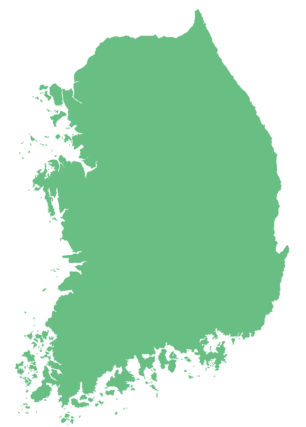
これは最近の朝鮮戦争と同じ構図です。
元々韓国と北朝鮮の戦いだったにも関わらず、気づいてみればアメリカとチャイナの人民解放軍との戦いになっていたようなものです。
これではバカバカしいということで、結局アメリカが38度線まで兵力を引いて休戦協定を結んだことで落ち着きました。

この時、韓国は休戦協定には入っていません。

事の無益さに気づいた日本は休戦をもちかけ兵を引き上げることを約束し、軍を白村江に終結させ、武装解除をします。
そこに火矢を撃たれ、片っ端から船を燃やされて海に沈められました。

The Taika Reforms and Nation Building④

Click here for previous article
Taika Reform and Nation Building ①
Taika Reform and State Building ②
Taika Reform and Nation Building ③

Japan sent a relief force and fought for three years.
Wherever they went, the Japanese army had a series of victories.
However, they eventually suffered a crushing defeat at Hakusukinoe.

To begin with, this battle was fought between Silla and Baekje.
However, it turned out to be a battle between Japan and the Tang Dynasty.
Even though they attacked, Baekje’s and Silla’s soldiers quickly fled and disappeared.
On the contrary, these soldiers attacked the supply troops and did mischief in the corner.

…What a dickish national character (laughs).

This is the same composition as the recent Korean War.
Although it was originally a battle between South Korea and North Korea, it has turned out to be a battle between the U.S. and the People’s Liberation Army of China.
This was ridiculous, and in the end, the US pulled its troops to the 38th parallel and an armistice was signed, and things settled down.

At this time, Korea was not included in the armistice agreement.

Realizing the futility of the situation, Japan proposed an armistice and promised to withdraw its troops, bringing its army to an end at Hakusukinoe and disarming it.
There, they were shot with fire arrows, burned their ships from one side to the other, and drowned in the sea.


大化の改新と国造り③

前回の記事はこちら
大化の改新と国造り①
大化の改新と国造り②

舒明天皇は、大和の国というのは一般の民衆こそ宝物であり、一般の民衆が豊かに安全に安心して暮らすことができる国だということを歌に託しました。
決して、一部の豪族が贅沢をする国ではないと言ったのです。

その舒明天皇を父に持つ中大兄皇子が立ち上がった・・・ということなのです。

そして舒明天皇がお亡くなりになられたあとを受け継いだ斉明天皇(舒明天皇の皇后)の目の前で、蘇我入鹿の首をはねました。

そしてすぐさま、民衆こそが公民(おおみたから)だと宣言されました。

そして、皇族で政治のすべてを一手に取り仕切り、豪族が介入することができない政治を始めます。

ところが、そこで朝鮮半島で有事が起こりました。

新羅が唐と組んで百済を滅ぼしたのです。

日本は当時、百済から朝貢を受けていた関係から、百済救済のための軍を起こすことになります。

-続く-

The Taika Reforms and Nation Building③

Click here for previous article
Taika Reform and Nation Building ①
Taika Reform and State Building ②

Emperor Jomei wrote a song in which he expressed his belief that the country of Yamato is a land where the common people are the treasures and where the common people can live in affluence, safety, and security.
He said that the country is not a place where a few powerful families can live in luxury.

Emperor Seimei’s father, Prince Nakano-oeno-oji, stood up for the country.

He beheaded Soga Iruka in front of Emperor Saimei (the Empress of Emperor Jomei), who succeeded Emperor Jomei after his death.

He immediately declared that the people were the sovereigns.

He began a political system in which the imperial family was in sole control of all political affairs and the powerful clans were not allowed to intervene.

However, an emergency occurred on the Korean peninsula.

Silla, in alliance with the Tang Dynasty, destroyed Baekje.

Since Japan was receiving tribute from Baekje at the time, it decided to launch an army to save Baekje.

-continued-

大化の改新と国造り②

前回の記事はこちら
大化の改新と国造り①

仏像の値段というものは、あってないようなものです。
これで蘇我氏が大儲けをしました。
蘇我入鹿が生まれた当時、蘇我氏は絶大な力を持っていました。
たとえば、都で蘇我氏が乗っている牛車と、皇族の牛車がすれ違う時、皇族の牛車が道を譲るほどでした。

蘇我入鹿は自分のことを「帝(みかど)」と呼ばせ、自分の墓を「陵(みささぎ)」と呼ばせました。
「帝」とは天皇を指し、「陵」は天皇の墓を指します。

しかし、それに対して刃向かえる者がいませんでした。

その中で、舒明天皇が一首の歌と詠みます。
これは万葉集の巻一の第二番にある歌です。
ここで舒明天皇は「うまし国ぞ大和の国は」と歌を詠みました。
ここでいう「うまし」とは、大和の国は風光明媚で美しい国ですよと訳す人が多いのですが、この「うまし」は、原文では「怜」とういう字を書いています。
この字を元に先程の歌を解釈すると「神々の前で傅く(かしずく)心で、人々が感動をして生きることができる国ですよ、大和の国は」という意味になります。

人々が感動して生きることができるということは、人々の生活が豊かでなければなりません。
貧乏で食うや食わずの生活をしていて、目の前にある食べ物を奪い合って生きなければならないような状態では、感動して生きることができません。

感動をするためには、どこかで生活のゆとりがなければならないのです。

そのゆとりというのは、神々の前で傅く心で人々が真っ直ぐに生き、お互いに感動することができる、そういう国が大和の国であったわけです。

この舒明天皇、実は天智天皇と天武天皇のお父さんにあたるお方です。

-続く-

The Taika Reforms and Nation Building ②

Click here for previous article
Taika Reform and Nation Building ①

The price of a Buddhist statue is something that is or is not true.
The Soga clan made a lot of money from this.
At the time of Soga Iruka’s birth, the Soga clan was immensely powerful.
For example, when the ox carts of the Soga clan and those of the imperial family passed each other in the capital, the ox carts of the imperial family would give way.

Soga Iruka had himself called “Mikado” (emperor) “and had his tomb called “Misasagi” (mausoleum).
“Mikado” refers to the emperor, and “Misasagi” refers to his tomb.

However, there was no one who could stand against it.

Emperor Jomei composed a poem.
This is the second poem in the first volume of Manyoshu.
Here, Emperor Seimei composed a poem, “Umashi no kuni zo Yamato no kuni ha” (The Land of Yamato is the Land of Umashi).
Many people translate the word “umashi” here as “Yamato no kuni is a scenic and beautiful country,” but the word “umashi” is written with the character “怜” in the original text.
Based on this character, the interpretation of the aforementioned poem is “The country of Yamato is a land where people can live with a heart that is moved by the gods”.

For people to be able to live with excitement, their lives must be affluent.
If people are living in poverty and have to live without food, fighting for the food that is in front of them, they will not be able to live with emotion.

In order to be moved, there has to be a certain amount of relaxation in life somewhere.

That spaciousness was the country of Yamato, where people could live uprightly and be moved by each other with a heart of cherishing in the presence of the gods.

This Emperor Jomei was actually the father of Emperor Tenchi and Emperor Temmu.

-continued-

大化の改新と国造り①

There is an English version in the second half.

今回も、小名木善行さんのお話からです。

大化の改新とは、中大兄皇子と藤原鎌足が公地公民制を始めたことにより、一般の民衆は天皇の大御宝(おおみたから)であるということが文書化された出来事を言います。

今回は、学校で習ったようなことをなぞるのではなく、違った角度からお話をします。
時代は少し遡って聖徳太子の時代になります。
ここからどうやって大化の改新が起こったのかということについて触れたいと思います。

聖徳太子は非常に慕われていました。
彼が亡くなった時、そこらへんのおっちゃん・おばちゃんたちでさえ声を上げて泣いたということが日本書紀に記されています。

あまりにも聖徳太子が残した功績が大きかったため、次の世継ぎを誰にしようかということが非常に大きな問題になりました。

聖徳太子のような、みんなに慕われるような立派な方が次の世継ぎになれば、我が国は「皇室の知らす国」というこが固定されることになります。
そうなると、それを面白くないと思う人たちが、まだこの時代にはいました。

お金、武力、権力を備えた人たちです。

聖徳太子が亡くなってから、なぜか次々と皇室では世継ぎの方々が亡くなられ、ついに世継ぎはいなくなってしまいました。

そこで、古い時代の継体天皇にまで遡って皇位継承可能な人物を探し、やっとの思い出次の天皇を決めました。
こうして、天皇に選ばれたお方は、自分を選んでくれた人たちを大事にしたいという思いが湧きます。
そうすると段々、政治権力を持った人の力が強くなってきます。

聖徳太子は十七条憲法の中で「篤く三法を敬え。三法とは仏と法と僧なり」と、仏教の信仰を大切にしていたこともあり、仏教建築と仏像の彫刻において力を発揮していた豪族の蘇我氏が非常に力(経済力)を持つようになります。

-続く-

十七条憲法についてはこちら。
聖徳太子と十七条憲法①
聖徳太子と十七条憲法②
聖徳太子と十七条憲法③
聖徳太子と十七条憲法④

The Taika Reforms and Nation Building①

Again, we begin with Zenko Onagi’s talk.

The Taika-no-kaishin refers to the event in which Emperor Nakano-oe-no-oji and Fujiwara Kamatari initiated the public-land civic system, which documented that the general populace was the Emperor’s great imperial treasure.

This time, instead of tracing what you have learned in school, I will talk about it from a different angle.
The time period goes back a little to the time of Crown Prince Shotoku.
From here, I would like to touch on how the Taika Reformation took place.

Crown Prince Shotoku was very much adored.
It is written in the Chronicles of Japan that when he passed away, even the old men and women around there cried aloud.

Because of the great achievements of Crown Prince Shotoku, the question of who would be the next successor became a very big issue.

If a person like Crown Prince Shotoku, who is admired by all, becomes the next successor, our country will be fixed as “the country ruled by the imperial family”.
There were still people in this period who did not find that interesting.

They were people with money, military power, and authority.

After the death of Crown Prince Shotoku, for some reason, the heirs of the imperial family died one after another, and finally there were no more heirs.

So the search for a possible successor to the throne went all the way back to the old era of Emperor Keitai, and finally the next emperor was chosen.
The person who was chosen as the emperor was thus motivated to cherish the people who had chosen him.
In this way, the person with political power gradually becomes more powerful.

In the Constitution of 17 Articles, Crown Prince Shotoku said, “Respect the Three Laws with all sincerity. The Soga clan, a powerful family that had demonstrated power in Buddhist architecture and the sculpting of Buddhist statues, became very economically powerful.

-continued-.

聖徳太子と十七条憲法④

前回は、日本における「憲法」と、西洋における「constitution」では、まったく意味が違うというお話でした。
聖徳太子と十七条憲法①
聖徳太子と十七条憲法②
聖徳太子と十七条憲法③

ということで、我が国の憲法では、万古不易の絶対に変えてはいけないものと、時代や状況によって変えていかなければならないもの、この2通りで考えていかなければなりません。
両方を一緒にしてしまうと、変えたくても変えられません。

十七条憲法の中の第八条に「早朝晏退」というものがあります。
朝廷に仕える官吏は、朝早くに出て夕方遅くに帰りなさいという意味だそうです。
また、第九条には「信是義本(しんこれぎのもと)」は「義を尽くす前に信頼されるようになること」です。

普段ろくでもないことをやっている極道さんが「仁義だ」などと言っても信頼されないのと同じです。

聖徳太子不在説がどうのこうのという前に、十七条憲法とはいかなるものなのかということを学校で子どもたちに教えてあげることが大事だと思います。

聖徳太子と十七条憲法③

前回の記事はこちら
聖徳太子と十七条憲法①
聖徳太子と十七条憲法②

福沢諭吉をはじめとする幕末の翻訳家たちは、「憲法」と「constitution」と一体化させてしまうと大きな誤解を生んでしまうので、「憲法」ではなく「律法」という言葉を使っています。

「フランス律法」「プロイセン律法」など。

ところが、明治6年の大日本帝国憲法のスタートの時に、熊本藩士の林正明と津山藩の箕作麟祥(みつくり あきよし)がそれぞれフランス憲法や合衆国憲法を翻訳するにあたって、「きっとこれは十七条憲法と同じだろうから、『憲法』という文字を使ってしまえ」ということで「憲法」という漢字を使ってしまいました。

大日本帝国憲法は西洋の「constitution」に真似事であって、時代の変遷によって内容を変えていかなければならないものであったにも関わらず、まったく改正されずに時代にそぐわないものになり、その結果日本は「敗戦」を味わってしまうことになりました。

昭和22年、日本は連合国の統治下にありました。
占領統治下というとことは、日本には主権はなく、GHQが占領軍として日本を統治していました。
この占領軍が「日本人服務規程」として、日本人のための「The Constitution of Japan」を作り、「お前たちは占領統治化の日本人として、ここに書いてある通りにしろ」と言って渡されたものが「日本国憲法」なのです。

これまでのお話から判断すると、「日本国憲法」の「憲法」という言葉が、いかにおかしいものかがよく分かります。

聖徳太子と十七条憲法②

前回の記事はこちら
聖徳太子と十七条憲法①

我が国において、「憲法」について多くの人が持っているイメージが、この十七条憲法なのです。
なので、現行の憲法について「内容がおかしい」というイメージは誰もが持っています。
しかし、「憲法改正」という話になると「え~っ、憲法って変えてはいけないんじゃないの?」となってしまいます。
おそらく、十七条憲法に書かれていることは、千年たっても二千年たってもいつまでも色褪せることはないでしょう。
それが我が国にとって「いつくしきのり」、つまり憲法なのです。

現行の日本国憲法は「The Constitution of Japan」を英訳されたものです。
この「constitution」という言葉は、もともとはフランス革命当時にパリ市民によって造られた造語なのです。
フランス語の「constitutio」から来た語で、「con」というのは「共に」、「statuo」は「立てる」、「tio」は「組み立てること、制定すること」という意味からなっています。
constitution 意味と語源

つまり「共に立てたこと」というのが「constitution」の意味になります。

パリの市民たちがフランスの王権に立ち向かうために共に立てた事柄、共同体の基本宣言、これが西洋における「constitution」の意味なのです。

これは「共同体の宣言」でしかありません。
当然、共同体は時代と共に形が変わります。
形が変われば憲法も変えていかなければなりません。
なので、フランス憲法であれ、合衆国憲法であれ、時代と共にどんどん変えていくものなのです。

西ドイツは日本と同じく敗戦国です。
しかし、戦後すでに60回以上変更を加えています。
これは、時代が変わり、世界の様子が変わり、自分たちの共同体の求めているものが変わってくれば、当然「constitution」は変えていかなければならないという考えが前提にあるからなのです。

ところが、日本でいうところの「憲法」とは、万古不易、つまり、永遠に変わらないことを意味しますので、同じ「憲法」という言葉でも、中身がまったく違うわけなのです。

聖徳太子と十七条憲法①

今回も小名木善行さんのお話からです。

最近の学校では、聖徳太子不在説があり、聖徳太子の存在自体を教えないといったことがされているようです。
「聖徳太子」という名前も教えず「厩戸皇子(うまやどのみこ)」などと教えているそうですが、まず、なぜ聖徳太子が大切なのかを理解する必要があります。

聖徳太子が偉大な人物かどうかという議論はさておき、歴史というものはそもそもそういった評価をするところではありません。
何をそこから学ぶのかということが一番大切なわけです。

聖徳太子といえば十七条憲法が有名です。
その十七条憲法にどのようなことが書かれているかというと、たとえば・・・

第一条「和を以て貴しと為す」
第二条「篤く三宝を敬え」
第三条「勅を承りては必ず謹め」
第四条「礼を以て本とせよ」
第五条「慾り(むさぼり)を絶ち欲を捨てよ」
第六条「悪を懲らしめ善を勧めよ」

といった感じで最後の十七条の「不可独断」まで進んで行くわけです。

どの条項を読んでも、日本人として当たり前のことが書かれています。

日本書紀には「十七条憲法」という言葉では書かれておらず「憲法十七」と書かれています。
そしてそれを訓読みで「いつくしきのり とうあまりなな」と書かれています。

「斎」と書いて「いつき」と読みます。
これは、「神々に仕える清浄な姿」を言います。
「法(のり)」というのは張り付いて剥がれてはいけないもの=「決まり」を表します。
なので、ここでいう「憲法」とは「神々に仕えるために大切にしなければならない基準・規範」を指します。
「これが神々の意志であり、日本人であるならばここから一歩も離れてはいけないですよ」ということが十七条憲法に定められているのです。


古事記と日本書紀②

日本書紀というのは一環しているところがあり、日本は稲作を中心とし国家であるということが全体の不動のテーマになっています。

なぜ稲作が中心としければならないのかというと、日本は災害の多い国だったからです。
その災害に対して、日本の天皇はいかに戦って来たか、一般に人々がいかに戦って来たのか、様々な利害関係や争いがありましたが、一般庶民が豊かに平和に暮らしていくため、米作りを柱として天皇を中心とした人々がどのようにして乗り越えていったのかが描かれています。

なので、日本書紀はテーマがはっきりしているのでわかりやすいですし、記述も論理的です。
たとえば、Aの出来事、Bの出来事、Cの出来事が関連付けられて書かれています。
日本書紀は、伊達に40年かけて作られた本ではなということが分かります。

古事記と日本書紀の編集目的の違いですが、古事記に関しては稗田阿礼が暗誦したことを太安万侶が筆記して元明天皇に提出して完成したと伝えられています。
これが712年。日本書紀よりも8年早く出版されました。

古事記とは、世界がどのようにして始まり、日本人はどこから始まったのかということを明確にし、我が国の根幹とは何か、天皇の知らす(治らす)国だということを上中下の3巻で著したものです。

大日本帝国憲法は、古事記がベースで創案されました。