SDGsが世界を破壊する⑥

There is an English version in the second half

前回までの記事はこちら
SDGsが世界を破壊する ①
SDGsが世界を破壊する ②
SDGsが世界を破壊する ③
SDGsが世界を破壊する
SDGsが世界を破壊する⑤

こちらに掲載の記事を参考にさせていただきました。
ルネサンスvol.9 ECOに翻弄される世界

南米の一小国のコロンビアが、果たしてこの提案をして世界的な価値の平準化を目指すことが可能とはすこし考えにくいし、そんな国力もありません。

コロンビアが提案したとしても、それをうまく利用して自分たちにとって都合のいいように利用したい国や地域があると考えた方が腑に落ちると思います。

このSDGsを逆手に取って利用しようとするところはどこか?

例えば、グローバル企業や多国籍企業が考えられますが、現状ではチャイナあたりが考えられます。

こういった問題は、リベラリズムに染まったメディアが騒ぐため、やらざるを得ない状況に陥ってしまいます。
しなければ叩かれるのです。

SDGsとは、日本人が思っているほどキレイなものではなく、各国・各社会を平準化して、その利益を得ようとしている国や企業に上手に使われているものだということです。

ここからは私の意見です。

日本は古来より、自然に畏怖と感謝をし、山の木を切れば植林をしたり、根こそぎ切らずに蘖(ひこばえ)が次に生えてくるように切ったり、クジラを捕れば骨の髄まで使って供養をしてきました。
また、女性も大切に扱われ、その証拠に「嫁」という言葉も語源は「良い女(よいめ)」から来ているほどです。

現在、政治の世界での企業においても、女性議員や役員の数を男性と同様にすることが叫ばれていますが、そもそも、機会は平等に与えられています。
中には女性を蔑んだ男性もいるでしょうが、女性にその意識がなかったとも言えます。
今の「男女平等」は「機会平等」と「結果平等」を完全に履き違えています。

ただ単に頭数だけ揃えるとどうなるか?

たとえば、7人の役員候補がいる中で、男女比を3:3の6人と決めたとします。

仮に役員の候補者にスコアをつけたとして、
男性A:10点
男性B:11点
男性C:12点
男性D:13点
女性A:14点
女性B:15点
女性C:9点

となったとします。

普通であれば、役員として採用されるのは
男性4人全員と、女性Aと女性Bです。

ところが、男女比3:3という決まりがあるため、男性Aは不採用となり、能力的には男性Aより下の女性Bが採用されることになります。

これって、その企業にとっていいことなのでしょうか?

もちろん、この例は男女が入れ替わっても同じことが言えます。

単に頭数を平等(結果平等)にすることがおかしいかが分かりますよね。

私は最近、急に出てきて話題になっているものを斜めから見るようになりました(笑)
そのおかげで?様々な情報を取ることができるようになり、物事の本質を見れるようになりました。
だいたい、こういった話が急に出てきたり、マスコミが声高に叫び始めたりした裏側には、どこかの利権が絡んでいます。

ペットボトルのキャップをせっせと分別しても、それを再生している企業が儲けているだけであり、再生をするよりも一から作った方が安価で済んだりします。
みんなはただ漠然と「分別しなければいけない」と思っているだけで、それがなぜ必要なのか、いくらかかっているのかまで調べようとしません。
ペットボトルキャップのリサイクルはウソ!【武田教授 youtube】

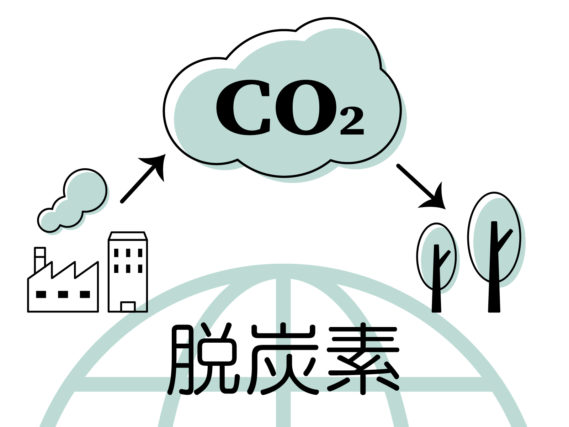
献血、脱炭素なども同じです。
大きな利権が絡んでいるからです。
「Follow the money」です。
血液の闇 Kindle版

こちらもご参考にされてください。
SDGsの不都合な真実 「脱炭素」が世界を救うの大嘘

The SDGs are destroying the world ⑥

Previously published here
The SDGs are destroying the world ①
The SDGs are destroying the world ②
The SDGs are destroying the world ③
The SDGs are destroying the world

I refer to the article published here.
ルネサンスvol.9 ECOに翻弄される世界

It is somewhat unlikely that Colombia, a small South American country, would be able to make this proposal and achieve global parity of value, nor does it have the national strength to do so.

I think it makes more sense to think that if Colombia were to make a proposal, there are countries and regions that would like to take advantage of it and make it work for them.

Which countries and regions are trying to use these SDGs in reverse?

For example, a global or multinational company could be considered, currently around China.

These issues are forced to be done because the media, steeped in liberalism, makes such a fuss.
If we don’t, we are beaten.

The SDGs are not as clean as the Japanese think they are, but are something that is being used successfully by countries and companies that are trying to level the playing field and benefit from each country and each society.

Here is my opinion.

Since ancient times, Japanese have been in awe of and grateful to nature, planting trees on mountains when they cut them down, cutting down the roots of trees so that they will grow back, and using the marrow of whales and made offerings when they catch them.
Women were also treated with great respect, as evidenced by the fact that the word “yome” comes from the Japanese word “yoime,” meaning “good woman.

Currently, there are calls for the same number of women legislators and board members as men in the corporate world of politics, but in the first place, they are given equal opportunities.
Some men may have despised women, but it can be said that women were not aware of this.
Today’s “gender equality” completely misunderstands “equal opportunity” and “equal results.

What happens when you simply have a head count?

For example, suppose you have seven candidates for the board of directors and you decide on a 3:3 male to female ratio of six.

If we were to assign a score to a potential board member as below:
Male A: 10 points
Male B: 11 points
Male C: 12 points
Male D: 13 points
Female A: 14 points
Female B: 15 points
Female C: 9 points

Normally, you would be hired as a board member.
All four men, plus Woman A and Woman B.

However, because of the 3:3 male to female ratio rule, Male A is not hired, and Female B, who is below Male A in ability, is hired.

Is this a good thing for the company?

Of course, this example would be the same if the genders were switched.

You can see how simply making the head count equal (equal results) is wrong.

I have recently started to look at things that are suddenly coming out and being talked about from the other side.
And because of that? I am now able to take in a variety of information and see things for what they are.
Generally, behind the sudden appearance of such stories and the media’s loud shouting, there is some interest involved.

Even if you diligently separate plastic bottle caps, the companies that recycle them only make money, and it is sometimes cheaper to make them from scratch than to recycle them.
People just vaguely think that they have to separate them, but they don’t bother to investigate why it is necessary and how much it costs.

The same goes for blood donations, decarbonization, etc.
Because there are big interests involved.
It is ” follow the money.”

SDGsが世界を破壊する⑤

There is an English version in the second half

前回までの記事はこちら
SDGsが世界を破壊する ①
SDGsが世界を破壊する ②
SDGsが世界を破壊する ③
SDGsが世界を破壊する

こちらに掲載の記事を参考にさせていただきました。
ルネサンスvol.9 ECOに翻弄される世界

このSDGs、現在では一種の宗教の教義のような感があり、価値を平準化すことで「世界はうまくいく」と言っているようなものです。
これは、フランス革命や共産主義が目指したものであり、これらがうまく行っていないことは皆さんもご存知の通りでしょう。

マニュアル通りにして価値観を同じくすれば、貧困問題や不平等の問題も解決するはずという、何とも浅はかな考えであると言わざるを得ません。

「多様性」と言っておきながら、SDGsにそぐわない事柄についてはそれを認めようとしていない点に矛盾があります。
本来、それぞれの国や地域で歴史や習慣、慣習、伝統があり、それを土台として成り立っているにも関わらず、逆にそれらが発展・成長を阻害するのだという考えなのです。

その最たるものが女性や子供の社会のあり方です。

その国や地域が宗教的・伝統的に独自の環境において成り立っているものは、そう簡単に変えることはできませんし、すべきではありません。
その地域の制約条件を前提にした、まさに持続可能な成長・発展を考えるのであれば、その地の歴史や伝統に根ざした社会のあり方の方が、むしろふさわしいと言えるのではないでしょうか。

The SDGs are destroying the world ⑤

Previously published here
The SDGs are destroying the world
The SDGs are destroying the world ③
The SDGs are destroying the world

We refer to the article published here.
ルネサンスvol.9 ECOに翻弄される世界

The SDGs now feel like a kind of religious doctrine, saying that by equalizing values, “the world will be fine”.
This was the goal of the French Revolution and communism, and you all know that these have not worked.

I must say that this is a very shallow idea that if we follow the manual and share the same values, the problems of poverty and inequality should be solved.

The contradiction lies in the fact that they talk about “diversity” but refuse to acknowledge matters that are not in line with the SDGs.
Each country and region has its own history, customs, practices, and traditions, and these are the foundation on which the SDGs are built, but they are considered to be obstacles to development and growth.

The most obvious example of this is the state of society for women and children.

What is established in the unique religious and traditional environment of a country or region cannot and should not be easily changed.
If we are considering sustainable growth and development based on the very constraints of the region, then a society rooted in the history and traditions of the region would be more appropriate.

ロングウォークと食べ物

昨日の記事にも書きましたが、小雲取越から補陀洛山寺まで、34.4kmのロングウォークをしてきました。
仲間とおしゃべりをしながらゆっくりと歩くことも楽しいですが、一人でガンガン歩くことも好きで、今年は熊野古道1000kmを歩くことを目標に掲げています。

今回は、歩行日記と併記しながら、ロングウォークと食べ物についてお話をします。

私にとっても、30kmを超えるロングウォークをすることは初めてでした。
それも「中辺路ルート最大の難所」で(笑)

6:15請川を出発
本当は5:30に出発する予定でしたが、寝坊をして遅刻(笑)
精神的にも焦りが生じます。

7:35 百間ぐら
請川からの所要時間は1時間20分。お客様を案内するときは、松畑茶屋跡まででこれくらいです。
そして、小雲取越の中間地点・林道交差まで1時間半でした。

8:40 桜茶屋跡
9:30 小和瀬
小雲取越を3時間余りで通過。前日の睡眠時間が4時間で体が重くて朝から調子が上がらなかったのですが、いいペースです。
暖かくなってきたので小口の小学校で大規模な「脱皮」をするために立ち寄り、いよいよ大雲取越へ。

9:52 大雲取越入り口
10:07 円座石
10:32 楠の久保

11:36 越前峠
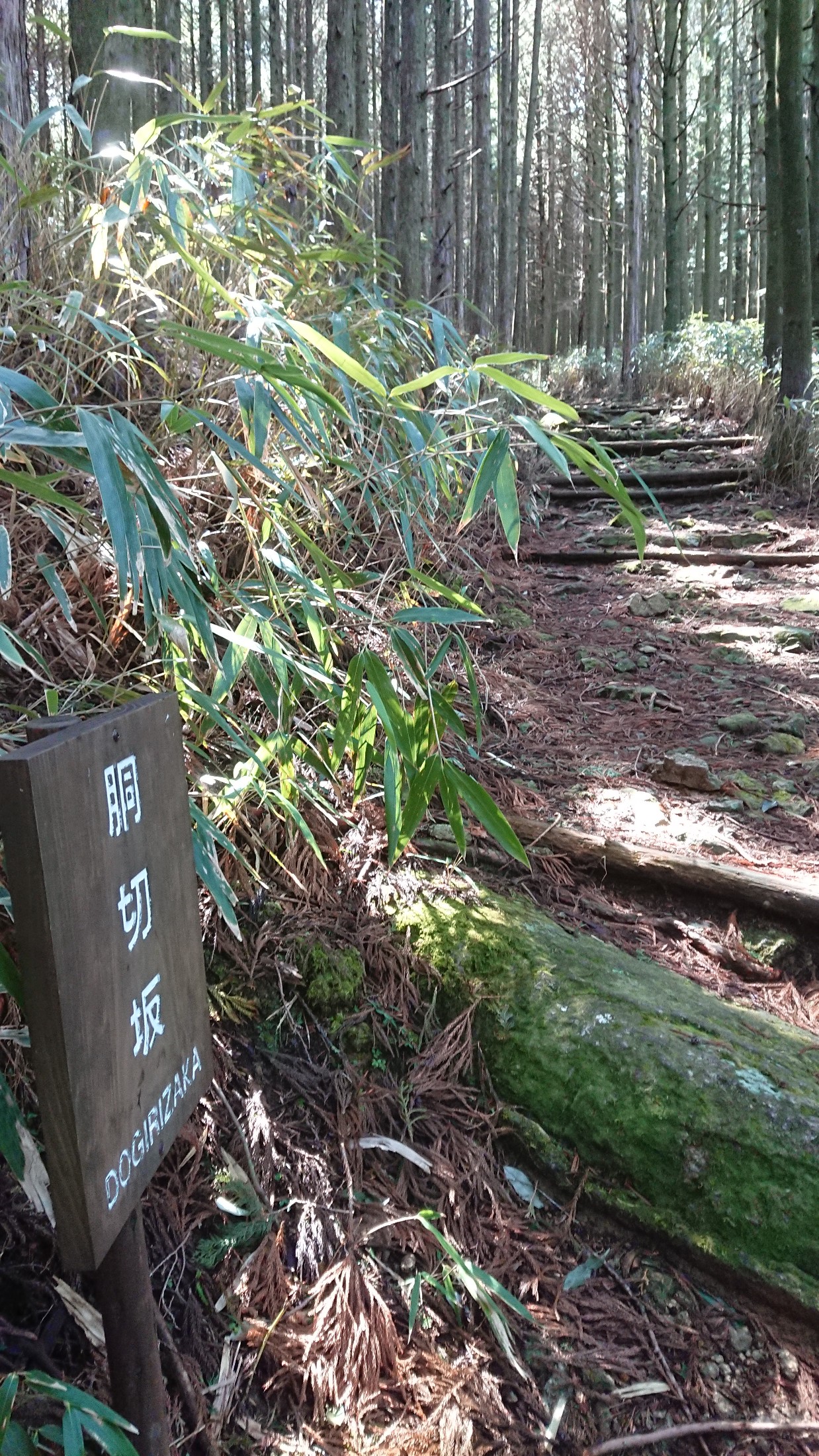
胴切り坂はさすがに堪えました。
お客様をお連れすると、小口から越前峠まで約3時間、遅いお客様だと4時間かかることもありますが、一人で歩くと1時間半ほどで上がって来れました。
さすがに、小雲取越での足へのダメージもありましたので、スタスタと上がって行くことは不可能でした。
いきなりフレッシュな状態で歩いたなら、1時間半を切ることは可能でしょう。

最大の難所を過ぎたので、あとは最後の下りです。

12:21 地蔵茶屋
小口からここまで2時間半です。
お客様をお連れした場合は小口からここまで4~5時間かかります。
普通ならここでお昼を食べますが、この日はゆっくりとお昼を食べるということはせず、約1時間歩いて5分程度の休憩を取り、その休憩時間に少し食べるという感じで歩きました。
ゆっくり座ってガッツリ食べてしまうと眠気が襲ってくる上に、体が冷え切って体が重くなってしまうので、休憩時に餅1個とか、めはり寿司1個という感じで食べていました。

持っていった食料は、餅(小)6個、めはり寿司3個、15センチくらいのきなこクリーム入のパン2本でした。
すべて糖質の補給ができる炭水化物です(きなこクリームは余計でしたが)
飴や甘いお菓子などは、かえって疲れてしまいます。
食べた時は急激に血糖値が急上昇するので元気になった「ように」思いますが、その後血糖値が急降下しますのでひどいだるさが襲ってきます。
そしてまた甘いものが欲しくなってきます。
そしてさらに甘いものを食べます。
こうして「疲労の無限ループ」が始まります。
炭水化物はよく悪者にされていますが、食べてから約3時間後に糖質に変換されてエネルギーになります。
つまり、ゆっくりと糖質へと分解されますので、体への負担も少なくてすみます。
また、歩く前や歩いた後も炭水化物を多めに摂ることによってエネルギーを蓄えたり、疲労を和らげたりもできます。
炭水化物も、できれば小麦ではなく米の方がいいように思います。
小麦は、現在の種はすでに「小麦」と言えた代物ではなく、昔の小麦とはまったくの別物だからです。
小麦アレルギーを持つ人が多いのも、そのためです。
あとは農薬も問題があると思いますが、それはまた別の機会に。

さらに塩分も必須です。
汗と一緒に塩分が失われると、筋肉痙攣が起こったり熱中症になったりします。
今回は、めはり寿司がその塩分補給になりました。
持っていくものは砂糖よりも、むしろ塩です。
私は以前、スポーツドリンクを勧めていましたが、スポーツドリンクは砂糖が多すぎるため、最低でも2倍に薄めなければ「糖分過多」になってしまいます。
「塩分チャージ」などと謳っている飴やタブレットも要注意です。
「ただの砂糖の塊」のものもありますよ。
ミドリ安全」のものはいいと思います。

こちらもご参照ください。
■清涼飲料水やスポーツドリンクは砂糖がたくさん!糖分過多に要注意
■小麦より米?パンよりごはんがオススメな理由は「アミノ酸スコア」にあり

13:32 船見茶家跡
あとはだるい下りです。

14:27 那智高原
お客様をお連れすると、船見茶屋跡からここまで1時間半~2時間かかります。
トイレを済ませ、いよいよ最後の下りです。
この最後の1kmの下りが、船見茶屋からの下りで一番堪えます。
お客様もここで「階段アレルギー」が出る方が多いです。
なので、この日はゆっくりと、足を傷めないように20分あまりかけて下りました。

14:56 那智大社
あまりにも早く着いたので、どうしようかと考えました。
タイミング的に良いバスがあれば乗って勝浦駅まで行こうかと考えていましたが、神様の「歩け」というメッセージなのでしょうか、4分前に発車していました(笑)
仕方なく?大門坂を下り、曼荼羅の道を歩くことにしました。

16:46 那智駅
紀伊勝浦駅行きのバスの時間まで約30分ありましたので、観光センター内にある座敷でストレッチ(笑)
これで翌日の疲れが随分と違います。

18:04発の特急くろしおに乗り、帰宅しました。

ロングウォークの記事は、こちらもご参考にしてください。
長距離を歩くコツ

歳を取ると筋肉痛は遅れてやってくる?

今日は「歳を取ると筋肉痛は遅れてやってくる?」についてです。

今日、兼ねてより計画をしていた、「小雲取越+大雲取越を一日で歩く」にチャレンジしてきました。

結局、予想よりも随分と早く終わったため、「いっそそれなら」ということで大門坂を下り、曼荼羅の道を歩き、補陀洛山寺、那智駅まで歩いてきました。

トータルで34.4km、10時間半でした。

さすがに今日はすでに太もも(大腿四頭筋)が筋肉痛です。

さて、たまに「私は歳だから筋肉痛は2日後に来る」と耳にしますが、結論から言ってそれは間違いでもあり、当たってもいます。
肉痛が遅れてくるのはなぜ?「年齢は関係ない」ってホント?

では、なぜ遅れて筋肉痛がやってくるかと言えば、その時の運動強度に関係しています。

歳を取ると、自分を限界まで追い込むような運動をしません。
そういった場合には遅れてやってくるということなんです。
歳を取ると、強度の高い運動ができなくなるという点では「遅れてやってくる」という理屈は当たっています。
しかし、運動強度がその人の限界を超えた時、その日のうちに筋肉痛がきます。
現に私は今日、限界を超えて初めて30km以上を歩きましたが、先程も書いたように、すでに筋肉痛です。
また、極真カラテの現役時代には、週に3回ほどウエイトトレーニングをしていましたが、毎回極限まで追い込むため、翌日にはひどい筋肉痛に襲われていました。

同じ運動に慣れてくると筋繊維が破壊されにくくなります。
同じ刺激では筋肉がつきにくくなるのです。
なので、ウエイトトレーニングをしている人たちは、同じ筋肉に対して違う運動をして刺激を与えて筋繊維を壊すという作業をします。
そうすることによって筋繊維を破壊し、より太く強い筋肉に生まれ変わります。

ちなみに、筋肉を強くするには、「破壊」「栄養」「休養」が必要です。
その中の栄養についてはホエイ蛋白が良いとされていますが、日本人にはソイ蛋白(大豆蛋白)が適しています。
長年、日本人は肉食を避けていたため、植物蛋白の方が体には合っているようです。

ホエイはヨーグルトの上澄みに多く含まれています。

今はホエイのプロテインもありますが、同時にソイプロテインもあります。
どちらがいいかの判断はおまかせしますが、せっかく破壊した筋肉なので、休養と栄養を十分に取って筋肉を強くしたいものです。
明治 ザバス(SAVAS) ソイプロテイン100 ココア味【45食分】 945g

SDGsが世界を破壊する④

There is an English version in the second half

前回までの記事はこちら
SDGsが世界を破壊する ①
SDGsが世界を破壊する ②
SDGsが世界を破壊する ③

こちらに掲載の記事を参考にさせていただきました。
ルネサンスvol.9 ECOに翻弄される世界

そのアジェンダ21の後継として、2000年に開催された「ミレニアムサミット」において国連ミレニアム宣言が採択され、それに基づき2015年までに達成すべき8つの目標からなるミレニアム開発目標「MDGs」が取りまとめられました。

この「MDGs」の8つの目標とは、

  1. 貧困および飢餓の撲滅
  2. 普遍的な初等教育の実現
  3. ジェンダー平等と女性の地位向上の推進
  4. 乳幼児死亡の抑制
  5. 妊産婦の健康の改善
  6. HIV/AIDSやマラリア等の病気との闘い
  7. 環境の持続性の確保
  8. 開発・成長のためのグローバルパートナーシップ

いずれもこの下にはそれぞれのターゲットがあり、これがSDGsの原型となりました。
この段階ではまだ、アジェンダ21を基礎として発展させたものに過ぎません。

そして、公式な説明によれば、2012年の国連持続可能な開発会議において、コロンビアの提案が採択され現在に至ります。

そこで掲げられたのは17にも及ぶ目標であり、MDGsの倍以上の目標数になり、細かくなり、対象範囲も広がっています。
しかもこの下に169ものターゲットが置かれており、「目標」というよりは何かの実行マニュアルのようです。

  1. あらゆる場所のあらゆる形態貧困を終わらせる
  2. 飢餓を終わらせ、食料安全保障及び栄養改善を実現し、持続可能な農業を促進する
  3. あらゆる年齢のすべての人々の健康的な生活を確保し、福祉を促進する
  4. 全ての人々への包摂的かつ公正な質の高い教育を提供し、生涯学習の機会を促進する
  5. ジェンダー平等を達成し、すべての女性及び女児の能力強化を行う
  6. 全ての人々の水と衛生の利用可能性と持続可能な管理を確保する
  7. 全ての人々の、安価かつ信頼できる持続可能な近代的エネルギーへのアクセスを確保する
  8. 包括的かつ持続可能な経済成長およびすべての人々の完全かつ生産的な雇用と働きがいのある人間らしい雇用を促進する
  9. 強靭なインフラ構築、包摂的かつ持続可能な産業化の促進及びイノベーションの推進を図
  10. 各国内及び各国間の不平等を是正する
  11. 包摂的で安全かつ強靭で持続可能な都市及び人類の住居を実現する
  12. 持続可能な生産消費形態を確保する
  13. 気候変動及びその影響を軽減するための緊急対策を講じる
  14. 持続可能な開発のために海洋・海洋資源を保全し、持続可能な形で利用する
  15. 陸域生態系の保護、回復、持続可能な利用の推進、持続可能な森林の経営、砂漠化への対処ならびに土地の劣化の阻止・回復及び生物多様性の損失を阻止する
  16. 持続可能な開発のための平和で包摂的な社会を促進し、全ての人々に司法へのアクセスを提供し、あらゆるレベルにおいて効果的で説明責任のある包摂的な制度を構築する
  17. 持続可能な開発のための実施手段を強化し、グローバルパートナーシップを活性化する 

こんな目標を掲げたところで、いくら声高に「SDGsを達成しよう」とか「SDGsを実現しよう」なんて言っても社会主義や共産主義国家のようなスローガンだけが先走っているような気がします。

The SDGs are destroying the world ④

Previously published here
The SDGs are destroying the world ①
The SDGs are destroying the World ②
The SDGs are destroying the world ③

I refer to the article published here.
Renaissance vol. 9 World at the mercy of ECOs (written in Japanese)

As a successor to Agenda 21, the Millennium Declaration was adopted at the Millennium Summit held in 2000, and the Millennium Development Goals (MDGs), consisting of eight goals to be achieved by 2015, were compiled based on it.

The eight goals of these “MDGs” are

  1. Eradication of poverty and hunger
  2. Universal primary education
  3. Promote gender equality and the advancement of women
  4. Reduction of infant mortality
  5. Improve maternal health
  6. Fight against diseases such as HIV/AIDS and malaria
  7. Ensuring environmental sustainability
  8. Global Partnership for Development and Growth

All of them have their respective targets under this, which became the prototype for the SDGs.
At this stage, they are still only a development of Agenda 21 as a foundation.

And according to the official account, Colombia’s proposal was adopted at the UN Conference on Sustainable Development in 2012 and continues to this day.

The 17 targets set forth in the MDGs are more than twice as many as the MDGs, are more detailed, and have a wider scope of coverage.
Moreover, 169 targets are placed under the 17 targets, making it seem more like an action manual than a set of “goals”.

  1. End poverty in all its forms everywhere
  2. End hunger, achieve food security and improved nutrition, and promote sustainable agriculture
  3. Ensure healthy living and promote the well-being of all people of all ages
  4. Provide inclusive, equitable, quality education for all and promote lifelong learning opportunities
  5. Achieve gender equality and empower all women and girls
  6. Ensure availability and sustainable management of water and sanitation for all
  7. Ensure access to affordable, reliable, sustainable, modern energy for all
  8. Promote inclusive and sustainable economic growth and full, productive and decent employment for all people
  9. Build resilient infrastructure, promote inclusive and sustainable industrialization, and foster innovation
  10. Reduce inequalities within and among countries
  11. Achieve inclusive, safe, resilient and sustainable cities and human settlements
  12. Ensure sustainable production and consumption patterns
  13. Take urgent measures to mitigate climate change and its effects
  14. Conserve and sustainably use ocean and marine resources for sustainable development
  15. Protect, restore, and promote sustainable use of terrestrial ecosystems, manage forests sustainably, combat desertification, and halt or restore land degradation and prevent biodiversity loss.
  16. Promote peaceful and inclusive societies for sustainable development, provide access to justice for all, and build effective, accountable, and inclusive institutions at all levels
  17. Strengthen the means of implementation for sustainable development and revitalize the global partnership 

With goals like these, no matter how loudly we say “Let’s achieve the SDGs” or “Let’s realize the SDGs,” it seems that only slogans like those of socialist or communist countries are getting ahead of themselves.


那賀高校留学生交流研修会

那賀高校の交流研修会に、和歌山地域通訳案内士会から3名のガイドが出動し、ご案内させていただきました。
今回、当会としては初めてのご案内でしたが、生徒の皆さんもノリがよくて非常にやりやすかったです。
また、京都の大学へ留学している学生5名も加わり、久しぶりに歯ごたえのある会話ができました。

時間の関係であまりゆっくりと説明ができなかったことが残念ですが、それでも楽しんでいただけたようで、そして、何より全員が無事に歩くことができたようで、ホッとしています。

日本人の特徴なのでしょうが、自分の英語を出すことにためらいがあるのか、あまり英語での会話ができませんでした。
間違ってもいいから、恐れることなくどんどんと英語を話してもらえればよかったかなと思いました。

最後に、それぞれの班長さんからガイドに向けて英語でお礼の挨拶がありました。
きれいな英語で、わかりやすくまとめてくれていたので、非常に良かったです。
「ガイドをやって良かったな」と思える瞬間ですね。

今回手配してくれた旅行会社さんについては言いたいことがたくさんありますが、今日は楽しんだので言わないことにします(笑)

Three guides from the Wakayama Local Guide Association were dispatched to Naga High School for an exchange workshop.
This was the first time for our association to guide the students, and it was very easy to do so because the students were very friendly.
Five foreign students studying at a university in Kyoto joined this time, and for the first time in a long time, we were able to have a lively conversation.

I regret that I could not explain enough due to the time schedule, but I am relieved that they still enjoyed the tour and, most importantly, that everyone was able to walk safely.

Perhaps it is a characteristic of Japanese people, but I was not able to speak much English with the students, perhaps because they were hesitant to produce their own English.
I thought it would have been better if they had spoken English more and more without fear, even if they made mistakes.

At the end of the tour, each group leader gave a thank-you speech in English to the guide.
It was very good because it was in beautiful English and was put together in an easy-to-understand manner.
It was a moment that made me think, “I am glad to have been a guide”.

There are many things I would like to say about the travel agency that arranged this trip, but since I enjoyed myself today, I won’t.

SDGsが世界を破壊する③

前回までの記事はこちら
https://7875937fbfc6f01c.main.jp/archives/5096
こちらに掲載の記事を参考にさせていただきました。
https://amzn.to/3t9sQTh

確かに、各国が参加することによって実効性が高まるかもしれません。
しかし、それぞれの国にはそれぞれの社会のあり方があり、それを十把一絡げにはできないはずです。

これは私の意見ですが、
日本でも同じことが言えます。
ここでは詳しく書きませんが、日本はもともと、女性を差別するどころか、むしろ大切に扱っていた文化があります。
また、環境面においても、自然と共存する形を取ってきました。

西洋にように女性を虐げてきたり、森林破壊をしてきた歴史背景のある所は「女性の地位向上」「環境の保全」は必要でしょう。それを日本に押し付けるという考えは不可解です。

さて、このアジェンダ21がいかにも環境問題解決のためのものという理解になってきています。
これは日本が東南アジアの森林破壊の元凶だと非難され、国内でも自虐的にこの問題を取り扱うようになったのも手伝ってか、日本では環境問題への取り組みがまるでなかったかのように、海外の事例ばかりを是とするような関心が一気に広がりました。

Click here to read the previous article.
https://7875937fbfc6f01c.main.jp/archives/5096
I refer you to the article posted here.
https://amzn.to/3t9sQTh

Certainly, the participation of each country may increase its effectiveness.
However, each country has its own social structure, and these should not be lumped together.

This is just my opinion.
The same is true in Japan.
I will not go into detail here, but Japan has always had a culture that did not discriminate against women, but rather treated them with respect.
Also, in terms of the environment, Japan has always coexisted with nature.

In some places, such as the West, where there is a historical background of oppressing women and deforestation, “improving the status of women” and “preservation of the environment” may be necessary. The idea of imposing this on Japan is incomprehensible.

Now, there is a growing understanding of how this Agenda 21 is meant to solve environmental problems.
This may be due to the fact that Japan has been accused of being the source of deforestation in Southeast Asia and has begun to treat this issue in a self-deprecating manner even domestically.

SDGsが世界を破壊する②

前回までのお話はこちら
https://7875937fbfc6f01c.main.jp/archives/5078

こちらに掲載の記事を参考にさせていただきました。
https://amzn.to/3t9sQTh

SDGsとは、17の目標と、169のターゲットからなります。
・・・個人的に、こんなにたくさんのターゲットを抱えて果たして達成できるのかと勘ぐりたくなります。
だいたい、そんなに覚える事自体不可能ですよね。

このSDGsの「Sustainable Divelopment」という概念が最初に登場したのが1987年(!)
深刻化している環境問題、人口問題、貧困問題、不平等の解決が念頭に置かれています。
そして、解決した広い意味での環境や資源を次世代に残し、成長していこうという考え方のようです。

当時は、環境や資源の利用、都市開発、エネルギーの利用等のあり方が中心的な関心事であって、女性の地位向上など、持続可能にすることや成長とおよそ関係がないのでは?と思えるような事柄は含まれてはいませんでした。
なので、さきほど述べた17の目標や169もの細かいターゲットなどは設定されていませんでした。

ところが1992年、ブラジルのリオデジャネイロにおいて開催された国連の環境と開発に関する会議、通称「アースサミット」で環境の保護と成長の両立である「Sustainable Development」実現のための行動計画であるアジェンダ21として採択されました。
そして、この実現のためには様々な社会的集団を巻き込んで行かなければならないとなり、女性の地位向上をはじめとする今日のSDGsにつながる事項が盛り込まれるようになりました。

ちょっと経緯が難しいですが、そもそも、女性の地位向上などという項目は当初はなく、主に環境や資源に対する事項が中心だったということです。

The SDGs consists of 17 goals and 169 targets.
Personally, I am not sure if it is possible to achieve such a large number of targets.
It is impossible to remember that many targets, isn’t it?

This SDGs concept of “Sustainable Development” first appeared in 1987 (!).
Solutions to the growing environmental, population, poverty, and inequality problems are in mind.
And the idea seems to be to leave the environment and resources in the broad sense that have been solved to the next generation for growth.

At that time, the environment, resource use, urban development, energy use, etc., were the main concerns, and not the status of women, which had little or nothing to do with sustainability or growth. The list did not include matters that might be considered.
Therefore, the 17 goals and 169 detailed targets mentioned earlier were not set.

However, in 1992, at the United Nations Conference on Environment and Development, commonly known as the “Earth Summit,” held in Rio de Janeiro, Brazil, it was adopted as Agenda 21, an action plan to realize “Sustainable Development,” which is to balance environmental protection and growth.
It was also decided that various social groups must be involved in the realization of this plan, and items that are connected to today’s SDGs, such as the improvement of women’s status, were included in the plan.

It is a bit difficult to explain, but the initial focus was mainly on the environment and resources, not on improving the status of women.


川船瀞峡体験に行ってきました

熊野川川船センターが3月30日から運行する川船瀞峡体験に行ってきました。
熊野交通のウォータージェット船が運休となり、瀞峡を訪れる機会がめっきり減ってしまっていましたが、これで瀞峡も賑わいそうです。

We went to experience the riverboat Doro-gorge, which will be operated by the Kumanogawa Riverboat Center starting March 30.
Since Kumano Kotsu’s water jet boats have been out of service, opportunities to visit Doro-gorge have been drastically reduced, but now Doro-gorge is expected to become more crowded.

運行期間:3月1日~11月30日(12月~2月は6名以上の団体であれば応相談)
出船時間:9時から1時間おきで最終便が午後3時。
毎週月曜運休(月曜日が祝日の場合は運行、翌平日運休)
乗船時間:約40分
最少催行人数:2名
乗船料:一人3,000円(4歳~小学生は1,500円)
問い合わせ:熊野川川船センター
電話:0735-44-0987

Operating period: March 1-November 30 (December to December) (In February, groups of 6 or more people are welcome.)
Departure times: every hour starting at 9:00 a.m., with the last service at 3:00 p.m.
Closed every Monday (if Monday is a national holiday, the boat will be in service on the following weekday).
Boarding time: approx. 40 min.
Minimum number of people: 2
Boarding fee: 3,000 yen per person (1,500 yen for 4-year-olds to elementary school students)
Inquiries: Kumanogawa Riverboat Center
Phone: 0735-44-0987

しかし、今後SUPができなくなるのでは?と少し心配をしております。
However, will we not be able to do SUP in the future? I am a little concerned.

心配していた雨も出発前には完全にあがり、春の暖かい日差しが柔らかく降り注ぐなか、船頭さんの案内と、すばらしい操舵技術も手伝って、気持ちよく楽しむことができました。
The rain that we had been worried about had completely stopped before departure, and we were able to enjoy the boat under the soft warm spring sunshine, guided by the boatman and his excellent steering skills.

今日は水面に霧がかかっていて非常に幻想的でした。
It was very fantastic with fog on the surface of the water.

午後からは、当会会員さんに筏師の道の一部と、集落跡を案内してもらいました。
どちらもすばらしく美しいところでした。
あまり人が来ると荒れてしまう可能性があるため、あまり人に教えたくない気持ちにさせられました。
In the afternoon, a member of our association guided us to a section of the Raftsman’s Road and the ruins of a village.
Both were wonderful and beautiful places.
I was made to feel that I did not want to tell too many people about them, as they might become desolate if too many people came.


紀州の山椒パネル展とシンポジウムに行ってきました

昨日12日、和歌山の山椒パネル展とシンポジウムに行ってきました。

山椒の生産量って、和歌山が全体の65%でトップシェアだということをご存知でしたか?
恥ずかしながら、私はつい最近まで知りませんでした。

パネル展では日本の山椒と中国の山椒の違いや、山椒、胡椒、唐辛子の辛味成分の違い、山椒の効能、山椒の流通経路、山椒の生産において今後の課題などを見ることができます。
今月20まで、和歌山市民図書館にてパネル展示をしています。
紀州の山椒パネル展とシンポジウム

シンポジウムでは、和歌山大学客員教授の三谷 隆彦氏、摂南大学農学部食農ビジネス講師の載 容秦思氏の講演と、和歌山県農林水産部・西森 裕夫氏、有田川町産業振興部・垣谷 英宏氏、紀美野町の山椒農家・南 秀和氏、和歌山大学特任教授・植田 淳子氏のパネルディスカッションがありました。

特に、山椒農家さんの生の声を聞くことができたことが非常によかったです。
時間の制約がありましたのであまり聞くことが出来ませんでしたが、もっとお話を聞きたい、そう思わせてくれるような内容でした。

話は変わりますが、和歌山市民図書館って、ものすごく良くなりましたね。
以前は同じ通りの並びにあったと記憶していますが、1階にはスターバックスや蔦屋書店も入り、雰囲気もかなりいいです。

ただ、駐車場代が高いのが玉にキズですかね。
図書館で1時間の無料手続きをしてくれますが、1時間ではまったく足りないですね。