I have written about the same thing before, and I will write about it again.
I would like to state in advance so that there will be no misunderstanding. I have no intention of discriminating against women. I am sometimes called “discriminating” or “belittling” when I write such things, but I want to let you know in advance that I have no intention whatsoever to do so, no matter what anyone says.
◯Kii Minpo, May 17, 2012: Female vice principal at record high of 50
The Kii Minpo dated May 17 reported that the percentage of female vice principals at Tanabe private elementary and junior high schools in fiscal year 2022 reached 50.0%, a record high. The article concludes by saying that the government’s fifth gender equality plan aims for 25% of vice-principals and vice-principals and 20% of principals in 2013.
To put it bluntly, this is too cliché.
◯Equal Opportunity and Equal Results
What must not be mistaken here is that equal opportunity is now given to both men and women. This is called “equal opportunity”.
In contrast, “equality of results” is the idea that it is sufficient to simply match the number of men and women.
The current gender equality and the gender equality that is being called for today fall into the latter category.
Both men and women are given equal opportunities. Isn’t this true equality? Please click here to see why it is wrong to match headcounts only. The SDGs Are Destroying the World (6)
◯ “I really want to be a full-time housewife” about 30% of working women
As this shows, a good percentage of women want to become full-time housewives. The government, which ignores the feelings of women and is so eager to promote equality of results, is the one that is disrespecting women, isn’t it?
◯Japan used to be open
In the past, full-time housewives were entitled to benefits. However, under the banner of “Let women go out into society,” the government has stopped providing such benefits, and as a result, women now have to go out into society.
Until now, it has been the norm for women to do “housework and childcare” at home and for men to go out into society to work. I am planning to talk about this again at the history workshop, but let me tell you, men who go out and work in society are generally “temporary workers” who put all the money they earn into the house and receive “pocket money” from their wives.
When you put it this way, don’t you feel “sorry for men”? (Laughter)
In the past, men were only allowed to do very limited things, such as recording official documents.
On the other hand, Izumishikibu, Murasaki Shikibu, and Sei Shonagon were active about 1,000 years ago. Japan is the only country in the world where people were allowed to read, write, and even write novels from such a long time ago. In the West, women novelists finally appeared about 700 years later than in Japan. It was only after the death of her husband that she appeared as a writer.
Japan allowed women more opportunities for learning and freedom of action than any other country in the world.
The SDGs that are now being called for around the world are “none of your business” from Japan’s point of view.
◯Housework and childcare are honorable jobs
Housework and childcare are honorable jobs. On the other hand, going out to work means taking on social responsibility.
You can’t afford to cut corners when you do this.
However, all human beings are equally given 24 hours a day. Time is limited. We have to cut corners somewhere.
So, where do we cut corners?
Housework and childcare.
I have heard that there are families that do not have time to cook meals, so they settle for prepared foods from the supermarket, or in the worst cases, they eat bento at convenience stores all the time.
As I have told you before, food is very important, not only in terms of nutrition and the dangers of additives, but also in terms of strengthening the family bond when everyone enjoys together the food that the wife has taken the time and effort to prepare.
Even if it is impossible to make everything by hand, at least one homemade dish is said to make a big difference to the family bond. Family bonding cannot be strengthened by convenience store bento.
The time and effort to make such a dish has been lost.
I digress. To be frank, if you really want to do housework and childcare, you cannot do it while working. It is impossible.
One of our clients told us, “I loved my job, but I couldn’t do housework and childcare because I had to work overtime all the time, so I just left it to my grandmother. (Please do not pry into the identity of the person who left this job.)
Basically, it is impossible to balance housework and work.
However, nowadays it is common for people to work together, so I think it is fine if you and your husband cooperate with each other. However, I hope you will keep in mind that there will still be distortions somewhere.
Those who say, “He went to the trouble of doing it, but the way he does it is not right,” need to have a proper discussion and decide what you want your husbands to do. Otherwise, it is the same as saying, “Don’t help me with housework and childcare”.
I know this may sound insistent, but I am not saying “women should not work”. I have no intention of denying women’s advancement in society, as there are some occupations and positions that require the attention to detail that only women can provide. If women want to work, I don’t mind if they do, since we have equal opportunities now. However, there are many women who want to be homemakers, and I would like to say that the distorted gender equality of today that lumps everyone together in a single category is wrong, as if ignoring this.
◯Nursery schools and nursing homes
It is said that nursery schools and nursing homes cannot be operated without financial support from the government.
As you all know, since women have started working, the demand for nursery schools has increased despite the declining birthrate, and the number of children on waiting lists has been increasing.
However, the more the number of nursery schools increases, the more pressure is being put on the government’s finances.
The same is true for nursing homes.
Simply saying, “The number of children on waiting lists has increased, so let’s increase the number of nursery schools” is a symptomatic treatment. It is the same as saying, “Let’s treat cavities because they have developed,” but if we do not prevent (solve the root of) the problem, cavities will develop again in different places. This will never solve the problem.
“Let’s use immigrants to cover the cost because the population is decreasing.” Or, “There are not enough interpreter guides, so let’s make it possible to guide people without a license.”
It is a very ad hoc and poor way of thinking.
What can we do to prevent this from happening? I think it is necessary to change the way of thinking (preventive measures).
◯Nuclear family and large family
In the past, there was a sense of community-based child-rearing, at least until our time. As evidence of this, we were scolded and patted on the head by neighborhood uncles. Also, in the family unit, grandfathers and grandmothers worked together with us to raise children.
Grandma was especially knowledgeable about child-rearing and other subjects, and her wisdom from the past was useful in raising our children.
Nowadays, these “wise women” have been placed in nursing homes for the elderly and the nuclear family has become the norm, and there is no one left to impart this wisdom to us.
As a result, more and more people have become child-rearing neurotics because they do not know how to know how to raise children. And so an industry of “child-rearing counselors” has emerged.
Isn’t this situation distorted? Of course, some people may have been saved by this, but in the end, isn’t this just a symptomatic treatment?
◯Learning from history
It may be impossible to do so suddenly, but I think what modern society needs is to go back to the old days of Japan.
Why don’t those who say that the way of thinking is old-fashioned try to learn from the history of Japan, the oldest country in the world? This is despite the fact that it is filled with the experience and wisdom accumulated by our predecessors through their hard work. Learning from history does not mean “thinking old”. Rather, it is a forward-looking, future-oriented way of thinking about what to do in the future while borrowing from the wisdom of our predecessors.
◯Everything is connected
If the number of nursing homes and nursery schools is reduced, there will be less pressure on the government’s finances. Fewer people will get sick, and the huge annual medical costs of 50 trillion yen will be reduced. As a result, consumption taxes and other taxes will no longer be necessary.
Food, the declining birthrate, the nursery school problem, and medical costs are all connected.
Because they are all connected, it will be difficult to change them, and it will be impossible to change them all at once. However, I believe that we are approaching an era in which it is necessary to first change the mindset of each and every one of us as citizens.
I believe that learning about history is a very good way to think about how Japan should be left to future generations.
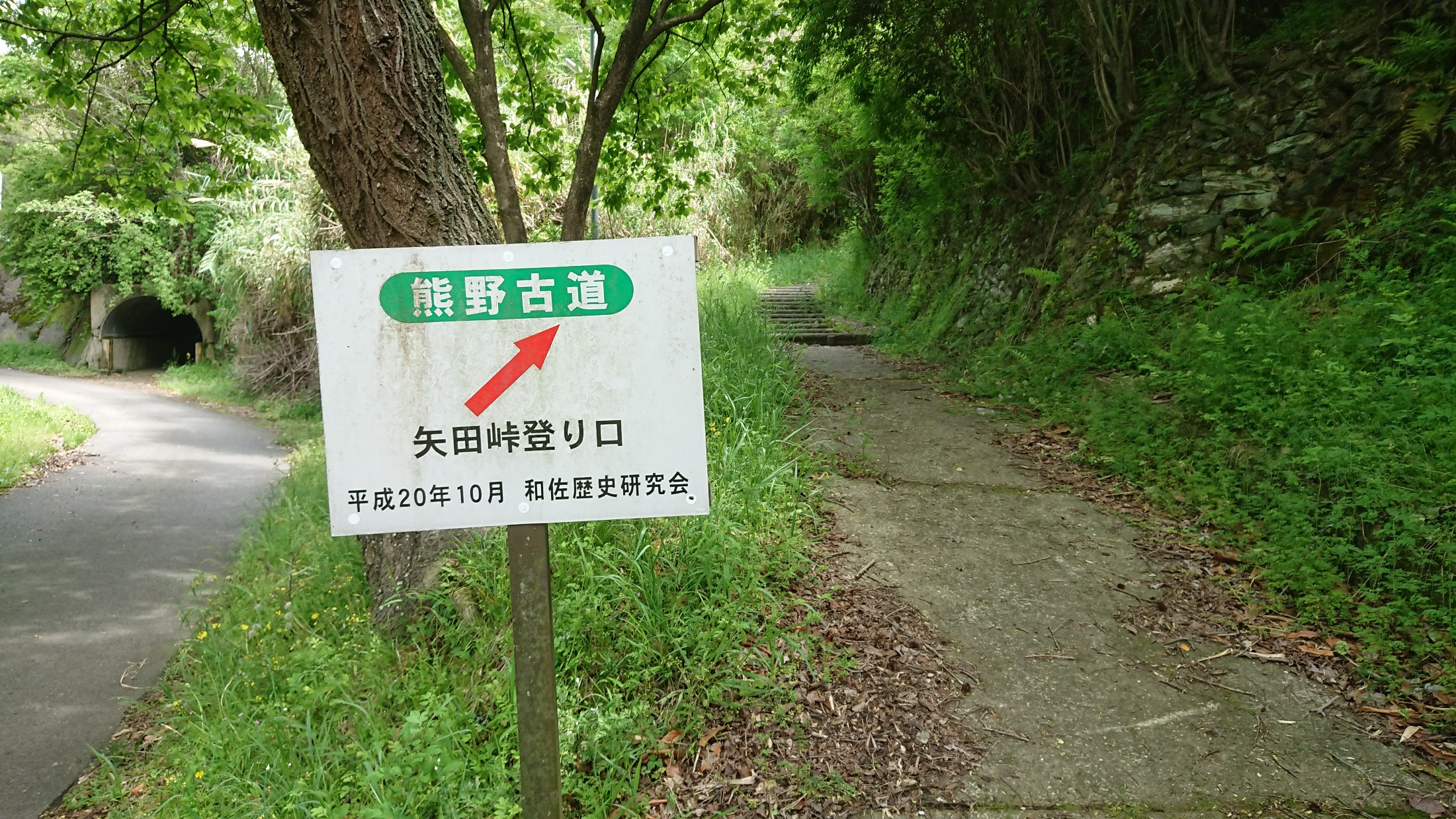
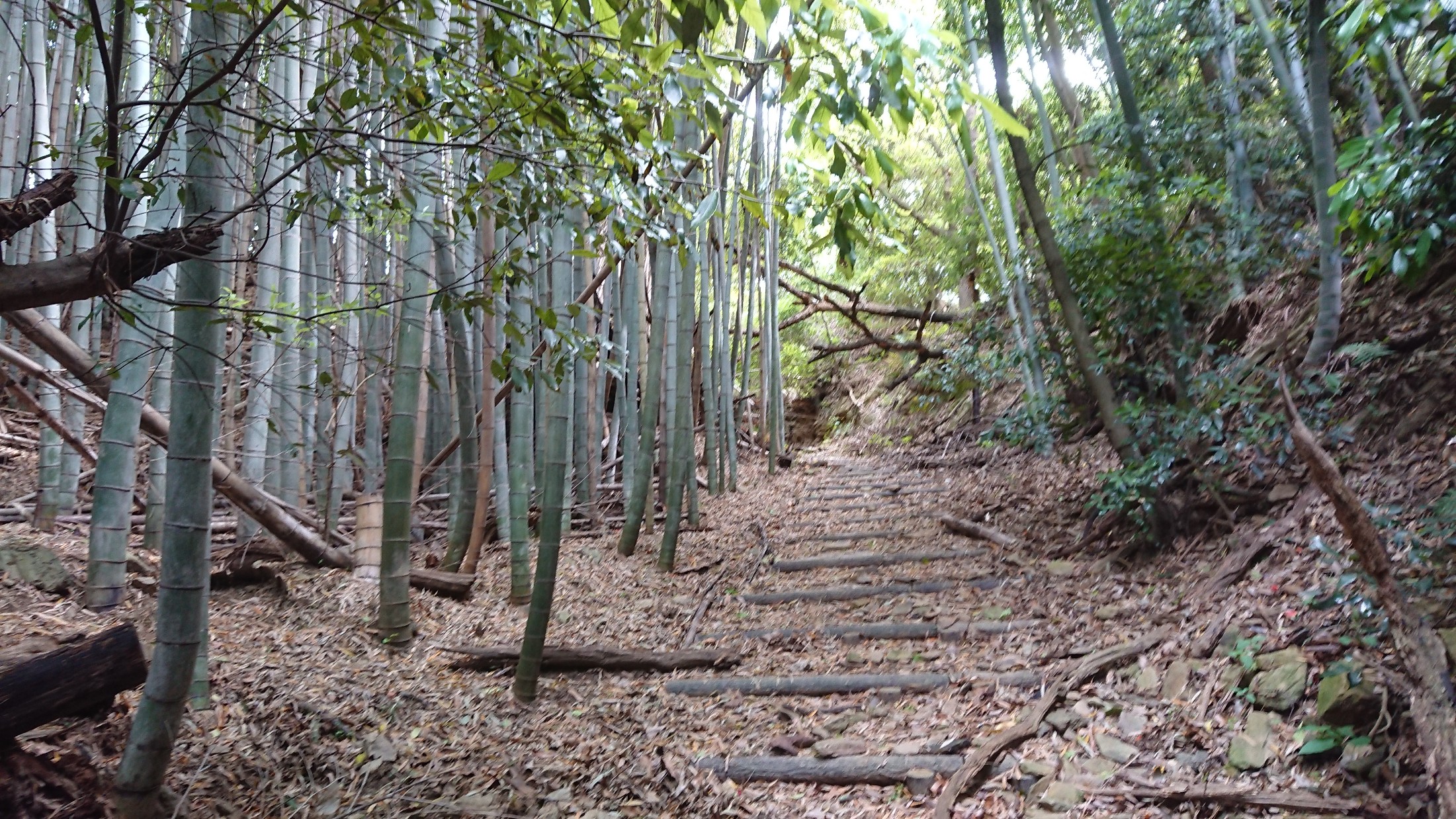
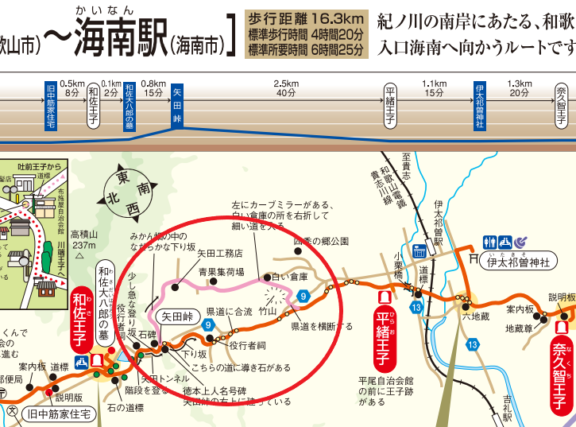
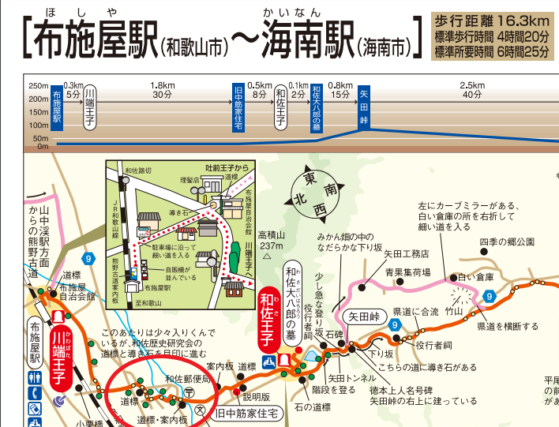
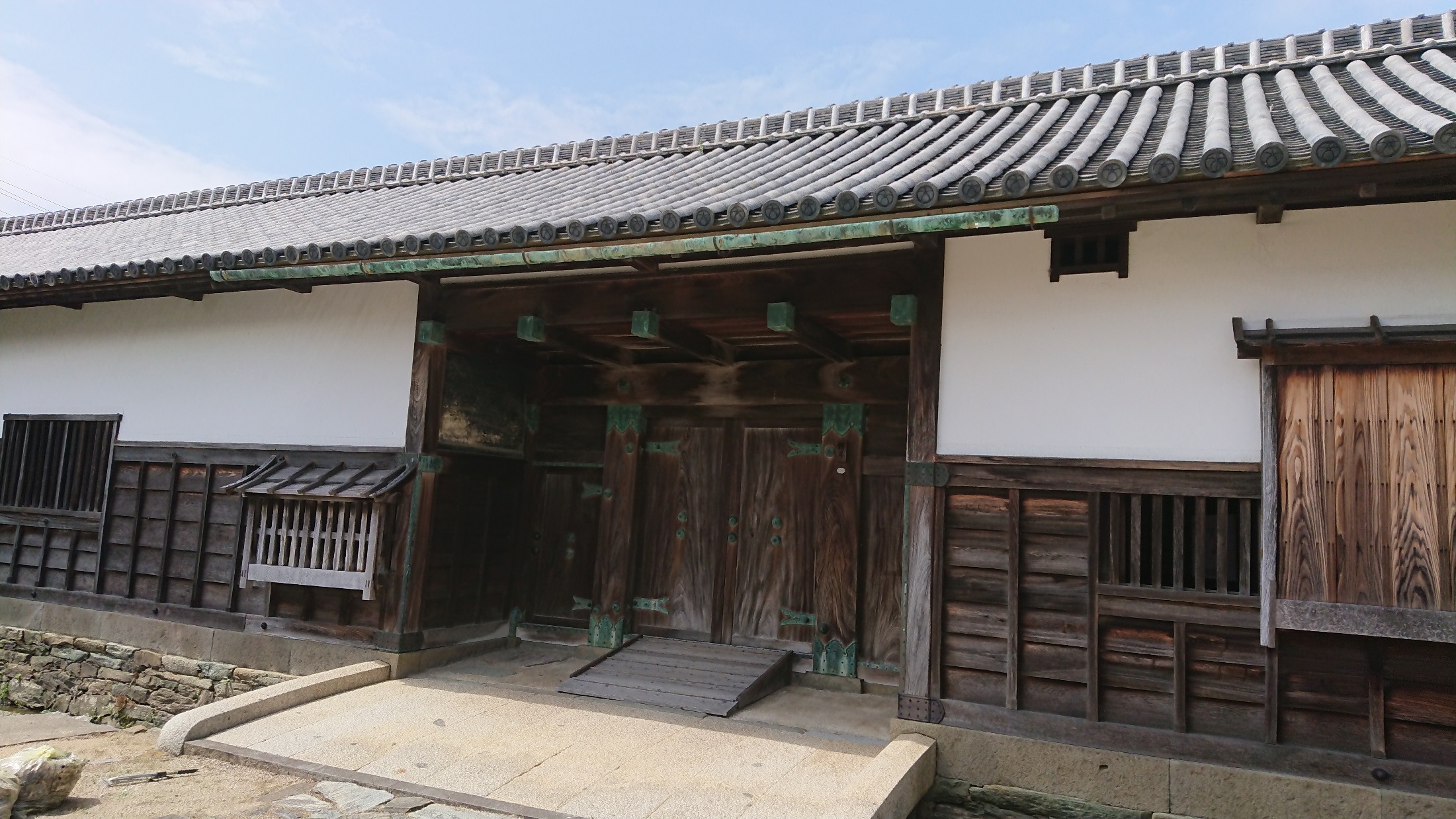
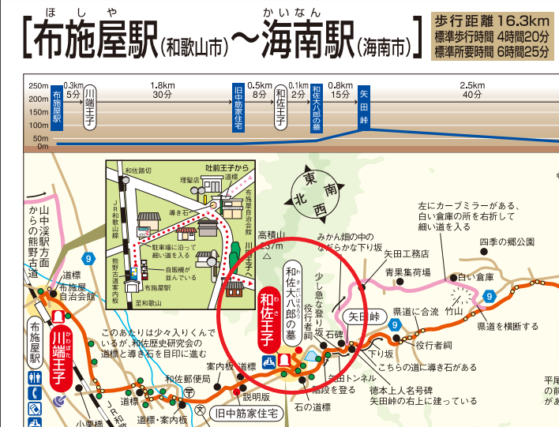
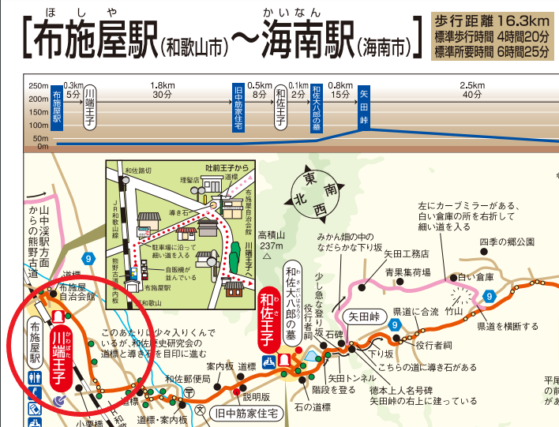
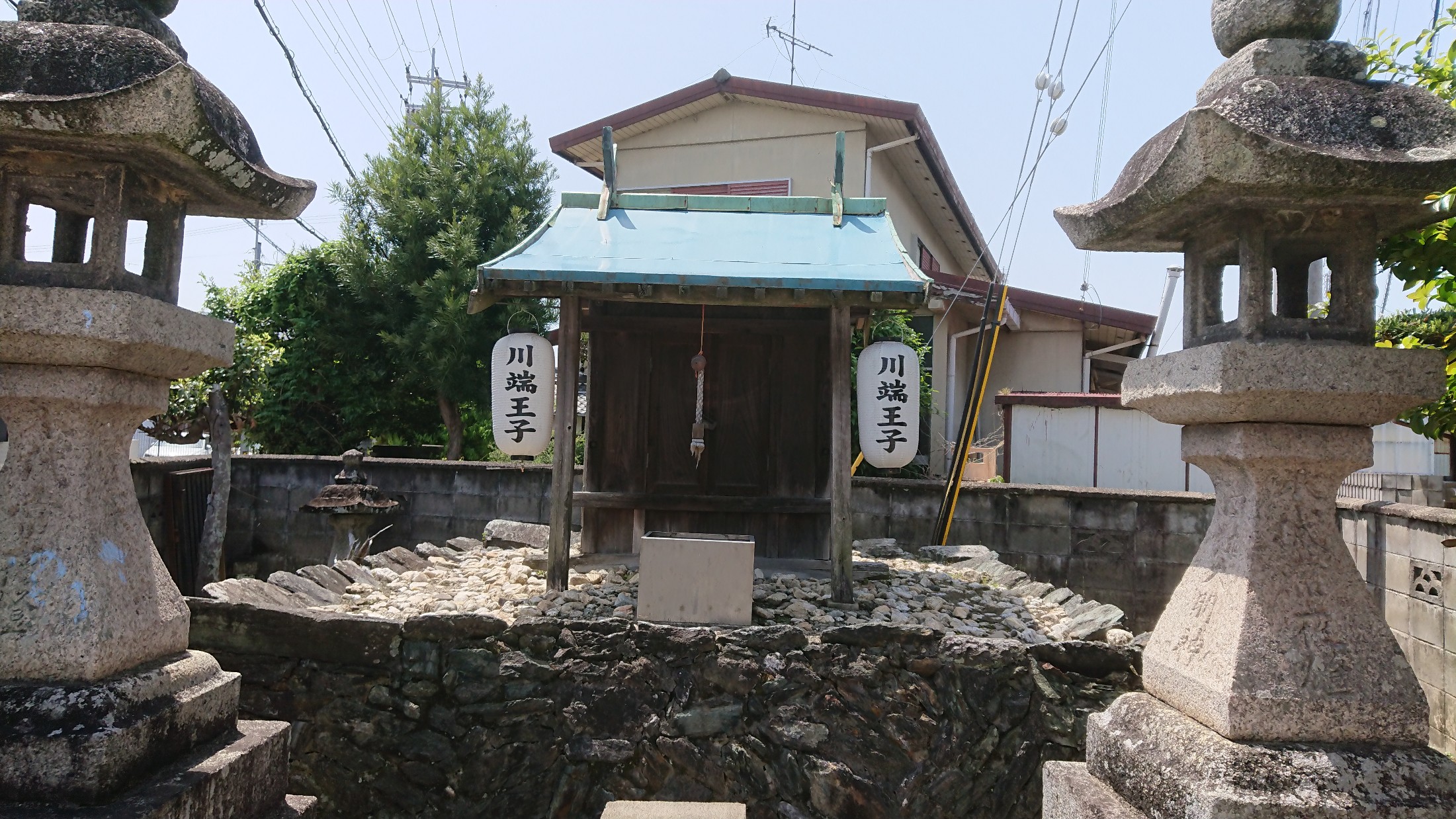
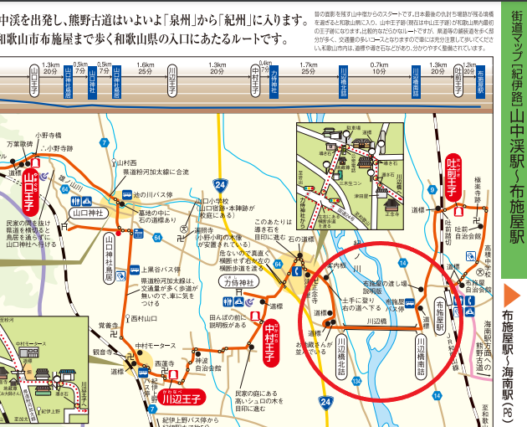
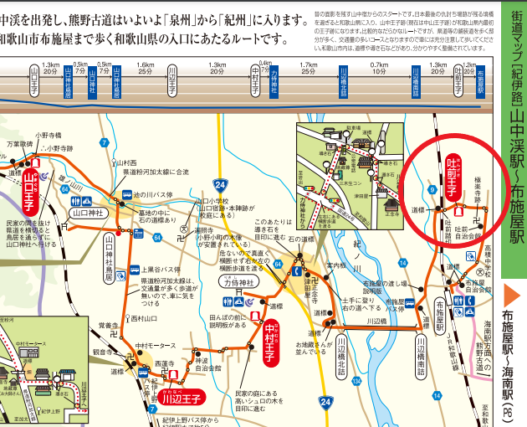
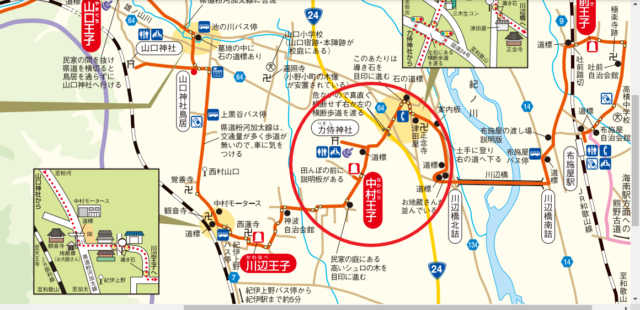
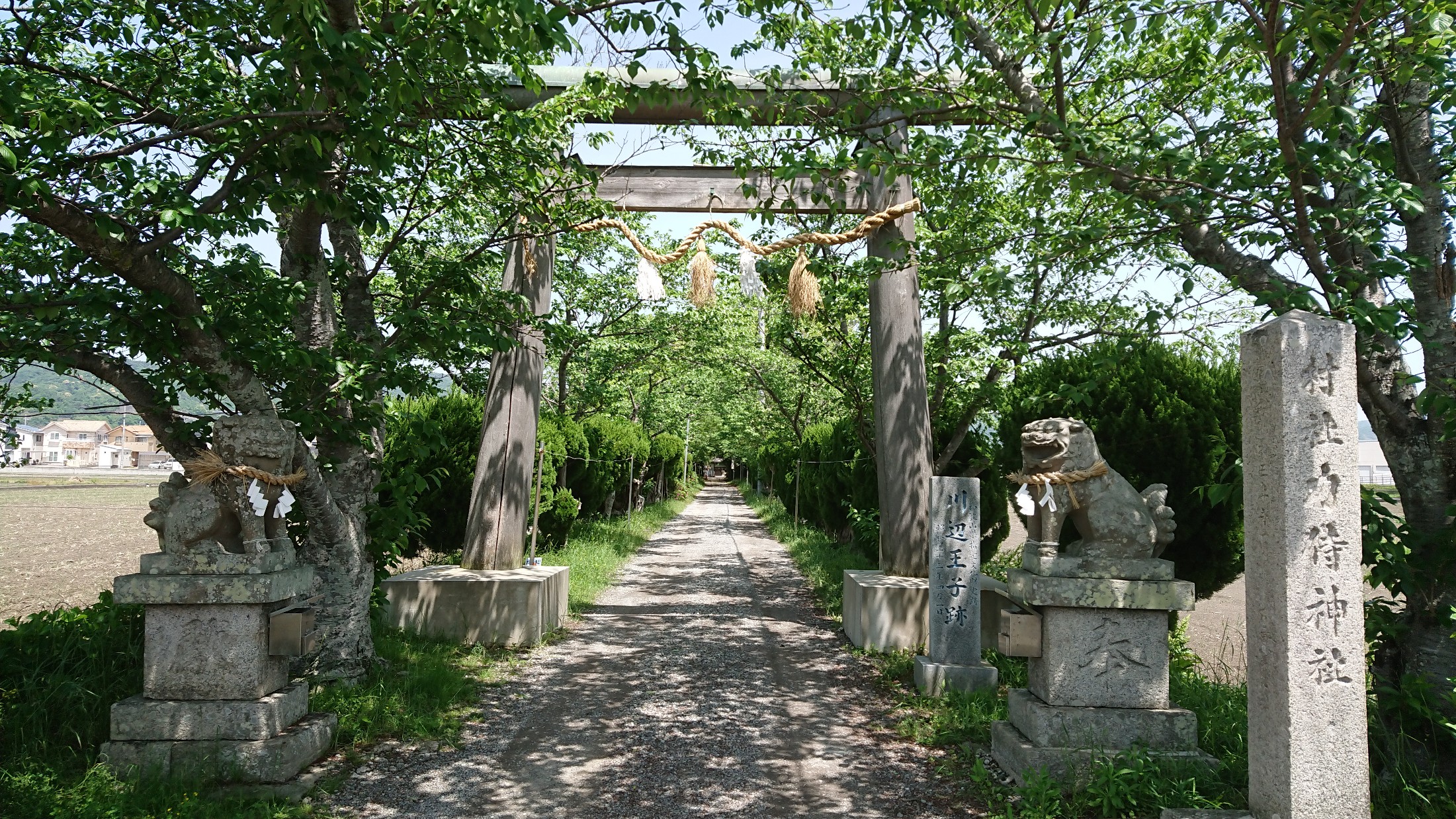
Continuing from yesterday, I walked along the Kumano Kodo. Today I participated in an event organized by the Nagaizaka Club.
Although I had been guided on this course by the Ohechi Karihirakitai before, I participated in this event because I could hear explanations from different angles depending on who was guiding the group.
In conclusion, I am glad I participated.
I was able to hear different explanations, walk different courses, and broaden the scope of my guiding.
The Nagaizaka Club had a guide who knew me, so although I was in a different group, I had a chance to talk with him for a while.
He is a very knowledgeable person who would tell me anything I asked him.
It would be nice to learn a lot from him, but I asked him how he obtains this information.
To use an analogy, the information I was taught is fish, and the way I obtain the information is how to catch fish.
If you only receive fish, you cannot apply the information. In order to acquire excellent information on any course, I think it is better to ask how to “catch” the information so that you can guide the course wherever you go.
Being taught how to get that information was the biggest benefit of the day for me.
Of course, asking in that way out of the blue does not guarantee that they will tell you. You still need to pay respect to that person.
The person you are talking to is still a human being.
Even if you know what you are talking about, if you are not considerate, you will not be able to get the information you need.
This time, the weather held out, and I was able to make new discoveries and interact with people, making it a very enjoyable and educational day.
How do you get your information? Television and newspapers are probably the most common.
However, the current trend away from newspapers is rapidly progressing. The Asahi Shimbun has lost credibility due to fabricated articles on the comfort women issue, etc., and its circulation has been dramatically declining year by year.
On the other hand, TV is no longer seen by the younger generation, but I believe it still has a deep-rooted influence.
Many people think that the information they receive from TV is free, but you are paying for it.
You might answer, “It’s just a TV commercial, isn’t it?”
But that is not the only answer.
Have you ever bought a product that was introduced on a TV program? Have you ever been to a restaurant featured on a TV program?
If you buy or visit something that was featured on a TV program, you are paying for that information.
I rarely watch TV these days. The alternative sources of information are books and the Internet.
The Internet has some free information, but it may not tell the truth, so if you want to hear more in-depth stories, you have to subscribe to paid channels. I also get my information from several paid channels.
So, in order to get information, you are paying for it, no matter what form it takes. On the other hand, there may be nothing scarier than free information.
◯Television manipulates information TV stations and newspapers have advertising sponsors. Incidentally, according to one theory, NHK, whose sponsors are the public, has an average annual income of 18 million yen for its staff (There are objections). And yet, the budget for programs is said to be quite excessive. I hope that the scramble system will be changed as soon as possible so that only those who want to watch the programs can pay for them.
Commercial broadcasters and newspapers other than NHK can never say or write anything in their programs or articles that would be disadvantageous to their sponsors.
They are not allowed to say that sugar and wheat are addictive and cause depression, that margarine is bad for you, that medicine does not cure diseases, that a pesticide called Roundup is being used in Japan in a big commercial even though it has already been banned overseas, or that a large amount of hormones and genetically modified feed is being administered to cows and pigs overseas, or that suicide is the leading cause of death among young people and cancer among those in their 40s and older.
If you tell the truth, you will be forced to leave the board. That is the world of the media. Of course, I am not saying that you should never watch TV, but I recommend that you take a step back and understand the intentions behind what you are watching.
The same goes for our workshops and trainings. There is no such thing as free. You have to pay for the information.